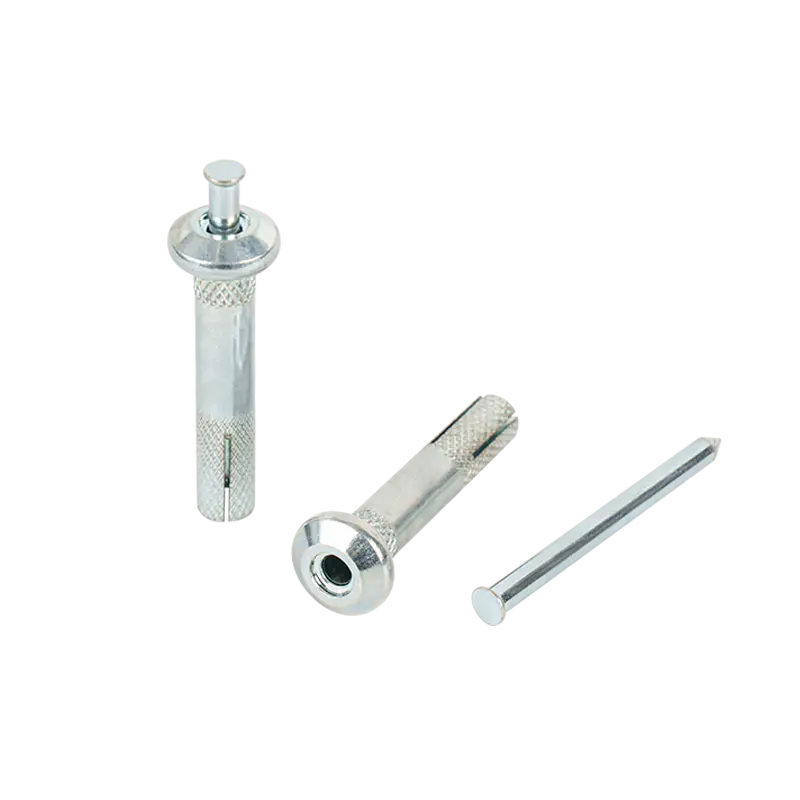
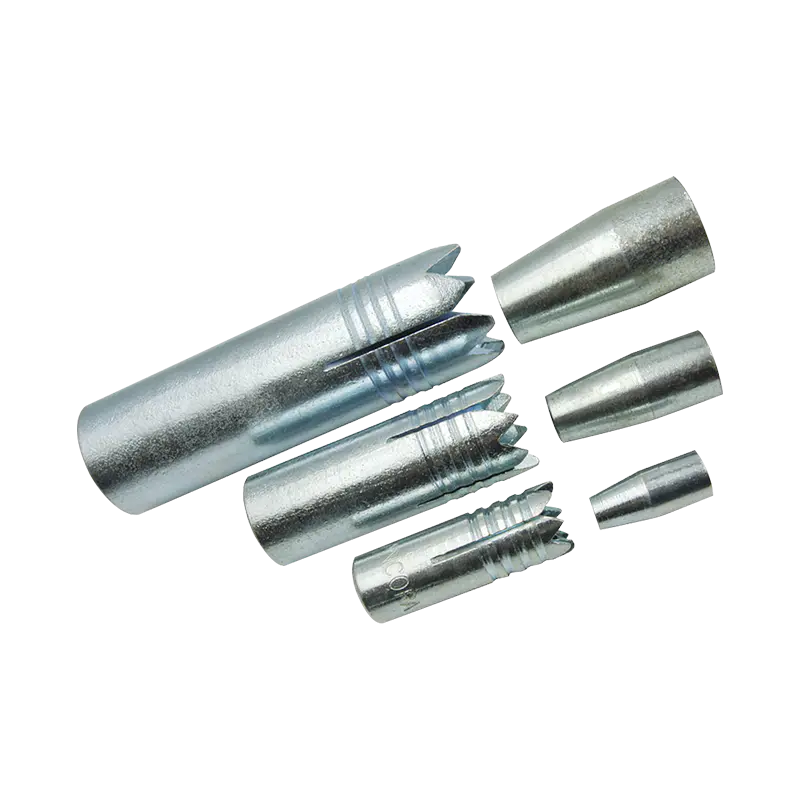
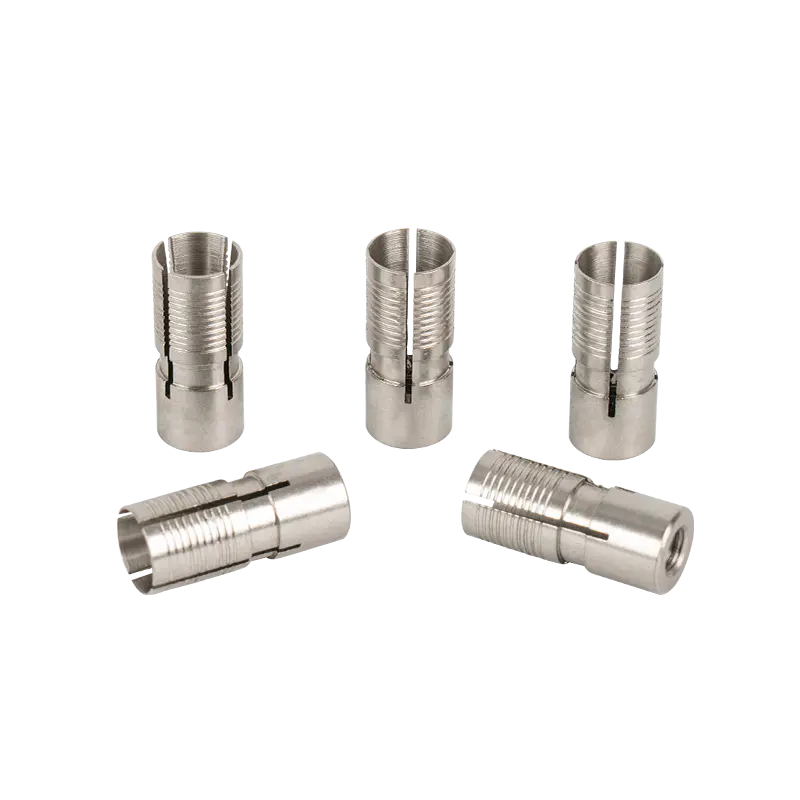
When it comes to fastening structural elements to concrete, masonry, or stone, choosing the right anchor can mean the difference between a safe, lasting installation and a costly failure. The Strike Anchor — also known as a hammer-set anchor or nail-drive anchor — stands out as one of the most efficient and reliable options available today. Yet many contractors and DIY enthusiasts are still unfamiliar with what a Strike Anchor actually is and how it compares to the conventional anchors they already use.
This guide breaks down everything you need to know about Strike Anchors: their design, working mechanism, material options, load capacity, ideal applications, and a direct comparison with other common anchor types.
What Is a Strike Anchor?
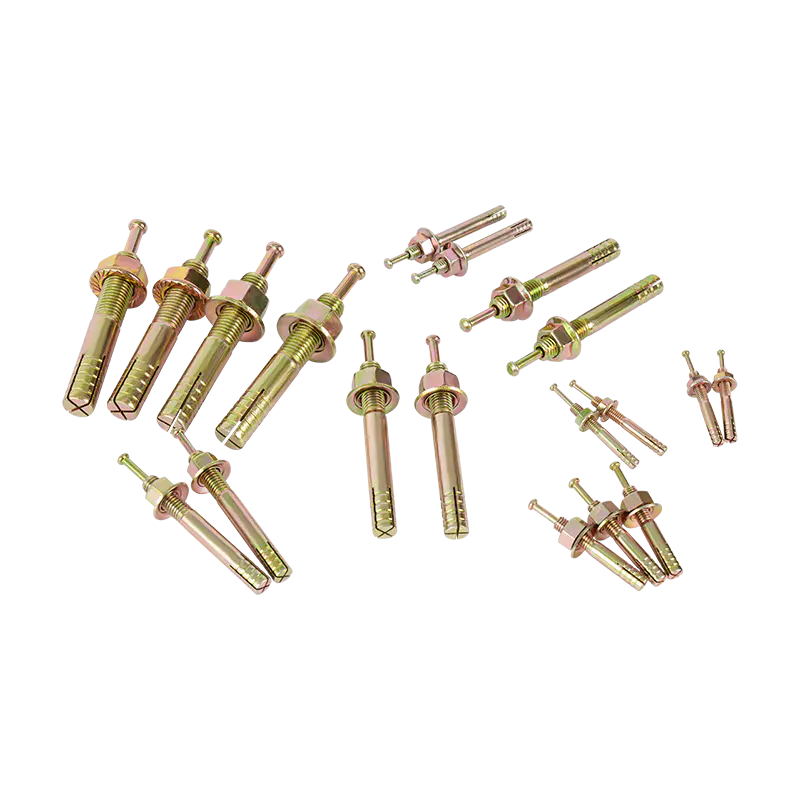
A Strike Anchor is a type of mechanical anchor designed for permanent, one-directional installation into concrete, brick, block, or stone. It consists of a cylindrical body (usually made of zinc alloy, carbon steel, or stainless steel) housing an internal pin. When the pin is struck with a hammer, it drives downward and forces the anchor's lower sleeve or legs to expand outward, locking the anchor firmly within the base material.
The name "Strike Anchor" refers directly to the installation method: you simply strike (hammer) the top pin to set the anchor. No torque, no rotation, no special pneumatic tools required for basic applications.
Quick Definition: A Strike Anchor is a hammer-driven mechanical fastener that expands inside a pre-drilled hole in concrete or masonry to provide secure, permanent holding power for fixtures, equipment, and structural components.
Key Components of a Strike Anchor
- Anchor body / shell: The outer tube that sits inside the drilled hole
- Drive pin: The internal pin driven downward by a hammer strike
- Expansion clip or legs: The lower section that splays outward upon pin impact
- Flange / head: The top flange that sits flush with or slightly above the surface
How Does a Strike Anchor Work?
The Strike Anchor operates on a straightforward mechanical expansion principle. Here is the step-by-step process:
- A hole of the correct diameter and depth is drilled into the base material using a hammer drill and carbide-tipped bit.
- The hole is cleared of dust and debris.
- The Strike Anchor is inserted into the hole with the pin facing upward.
- A hammer is used to strike the top of the drive pin, forcing it downward through the anchor body.
- The pin's tapered end pushes the expansion legs or sleeve outward, creating friction and mechanical interlock with the surrounding concrete or masonry.
- The anchor is now permanently set and load-ready.
Because the expansion happens below the surface, Strike Anchors provide excellent resistance to both tensile (pull-out) and shear (side) loads, making them ideal for safety-critical fastening applications.
Strike Anchor vs. Regular Anchors: What's the Difference?
The term "regular anchor" can refer to many types — plastic wall plugs, expansion bolts, wedge anchors, sleeve anchors, and more. Below is a detailed comparison between Strike Anchors and the most commonly used alternatives.
Strike Anchor vs. Wedge Anchor
The Wedge Anchor is a popular choice for heavy-duty concrete applications and generally offers higher ultimate load ratings than a Strike Anchor of the same diameter. However, wedge anchors require precise torque during installation and protrude significantly above the surface, making them less suitable for flush-mount or low-clearance applications. Strike Anchors install faster and sit lower, making them the preferred choice when speed, aesthetics, or tight clearance is a priority.
Strike Anchor vs. Sleeve Anchor
Sleeve Anchors are versatile and can be used in a wider variety of base materials, including hollow block. They also allow for more adjustment during installation. However, they require a bolt and nut assembly and more installation time. A Strike Anchor offers a simpler, one-piece design that reduces the chance of installation error.
Strike Anchor vs. Plastic Wall Plug
Plastic wall plugs are designed for lightweight applications in drywall or soft masonry. They cannot withstand the tensile and shear loads required in structural or heavy-equipment applications. A Strike Anchor is the correct choice any time permanent, load-bearing anchoring into hard base materials is required.
Material Options for Strike Anchors
Choosing the right material for your Strike Anchor is just as important as selecting the correct size. The three primary material options are:
Zinc Alloy Strike Anchors
Zinc alloy Strike Anchors offer a balance of moderate strength and corrosion resistance. They are commonly used for indoor, light-duty applications such as electrical conduit supports, signage mounting, and interior fixtures.
Carbon Steel Strike Anchors (Zinc-Plated)
Carbon steel with a zinc-plated coating provides higher tensile and shear strength than zinc alloy. These are the most widely used Strike Anchors in general construction and are suitable for both indoor and semi-protected outdoor environments.
Stainless Steel Strike Anchors
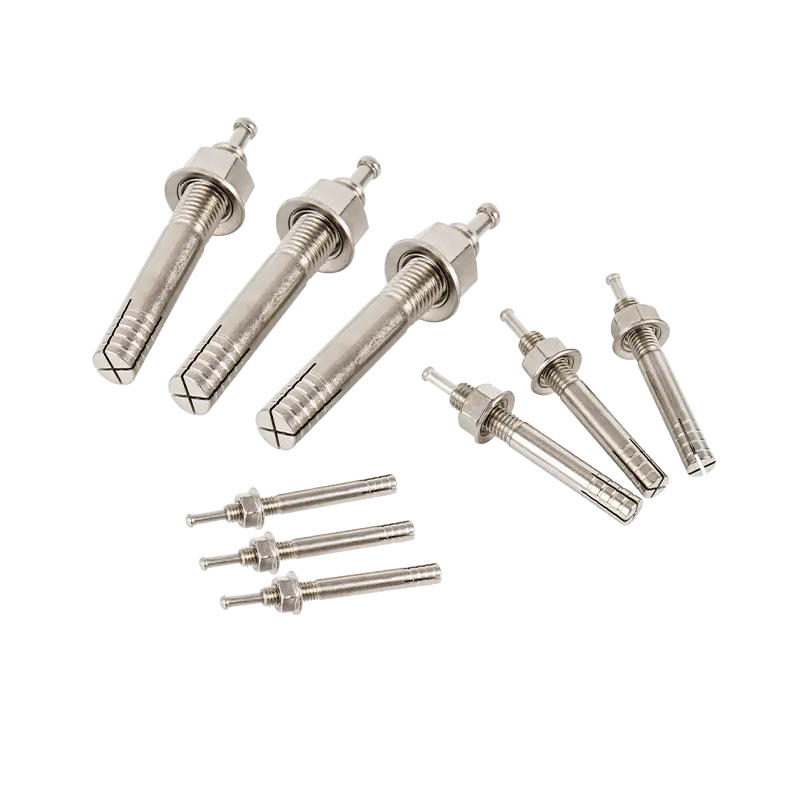
Type 304 or Type 316 stainless steel Strike Anchors are engineered for high-corrosion environments, including marine settings, chemical plants, food processing facilities, and any outdoor application exposed to moisture and salt. Type 316 offers superior chloride resistance compared to Type 304.
Where Are Strike Anchors Commonly Used?
Strike Anchors are trusted across a wide range of industries and applications:
- Construction & civil engineering: Securing formwork, rebar guides, conduit supports
- HVAC & plumbing: Mounting pipe hangers, duct supports, equipment bases
- Electrical: Anchoring cable trays, junction boxes, and panel boards to concrete walls
- Industrial: Fastening machinery bases, guard rails, and safety barriers
- Retail & commercial fitout: Display fixtures, shelving systems, signage frames
- Renovation & remodeling: Attaching furring strips, wall framing, and stair railings to existing concrete
How to Install a Strike Anchor: Step-by-Step
- Select the correct size. Match the anchor diameter and embedment depth to your load requirements and the thickness of your base material.
- Drill the hole. Use a carbide-tipped masonry bit and a hammer drill. Drill to the specified depth (typically the anchor length plus clearance for debris).
- Clean the hole. Use a blow-out bulb or compressed air to remove dust. A clean hole ensures maximum contact and holding power.
- Insert the anchor. Place the Strike Anchor into the hole with the drive pin facing up. Tap lightly to seat it.
- Drive the pin. Strike the top of the pin firmly with a hammer until the pin is fully driven and the anchor flange sits flush with the surface.
- Verify the set. Attempt to pull or wiggle the anchor. A properly set Strike Anchor should be completely immovable.
- Attach your fixture. Thread a bolt or place your fixture over the anchor and fasten as required.
Important: Never reuse a Strike Anchor once it has been set. The expansion is permanent and one-directional. Attempting to remove and reinstall a Strike Anchor in the same hole will compromise its holding capacity.
Frequently Asked Questions About Strike Anchors
Can a Strike Anchor be removed after installation?
No. Strike Anchors are designed for permanent installation. Once the drive pin is set and the expansion legs lock into the base material, the anchor cannot be removed without damaging the surrounding concrete or masonry. For applications where removability is required, consider a sleeve anchor with a bolt-and-nut assembly instead.
What is the minimum edge distance and spacing for Strike Anchors?
Minimum edge distance is typically 5× the anchor diameter from any free edge of the concrete, and minimum spacing between anchors is generally 10× the anchor diameter. Always verify with the manufacturer's published load tables, as values vary by product and base material.
Can Strike Anchors be used in cracked concrete?
Standard Strike Anchors are designed for use in uncracked concrete only. If your application involves seismic zones or structures where cracked concrete is possible, you should specify a seismic-rated anchor that is tested and certified for cracked concrete conditions per ICC-ES AC01 or equivalent standards.
What is the difference between a Strike Anchor and a nail-drive anchor?
These terms are often used interchangeably. Both refer to anchors set by driving a pin with a hammer. The term "nail-drive anchor" emphasizes the nailing action, while "Strike Anchor" is more commonly used in professional construction contexts. The operating principle and installation process are identical.
Do Strike Anchors work in hollow block or hollow brick?
No. Strike Anchors require solid base material to function correctly. In hollow block or hollow brick, the expansion legs have no solid material to bear against, which results in drastically reduced — or zero — holding capacity. For hollow base materials, use a toggle bolt, hollow-wall anchor, or a resin-based injectable anchor system.
How do I choose between a zinc alloy, carbon steel, and stainless steel Strike Anchor?
Choose zinc alloy for light-duty indoor applications. Use carbon steel (zinc-plated) for standard construction environments where corrosion exposure is low. Select stainless steel (Type 304 or 316) for outdoor, marine, or chemically aggressive environments where long-term corrosion resistance is critical.
Are Strike Anchors code-compliant for structural applications?
Many Strike Anchor products carry ICC-ES (International Code Council Evaluation Service) reports or equivalent third-party certifications that confirm compliance with building codes. Always verify that the specific product you select has appropriate certifications for your application, especially for structural, fire-rated, or seismic-critical fastening.
Final Thoughts
The Strike Anchor is a purpose-built, highly efficient fastener that earns its place in any professional or advanced DIY toolkit. Its hammer-driven installation, permanent holding power, low-profile finish, and compatibility with concrete and masonry make it a go-to solution across construction, industrial, and commercial applications.
Understanding how a Strike Anchor differs from wedge anchors, sleeve anchors, and plastic plugs allows you to make smarter, safer choices on every fastening project. Always select the correct size and material for your specific load conditions and base material — and when in doubt, consult the manufacturer's load data tables or a licensed structural engineer.

 English
 日本語
日本語