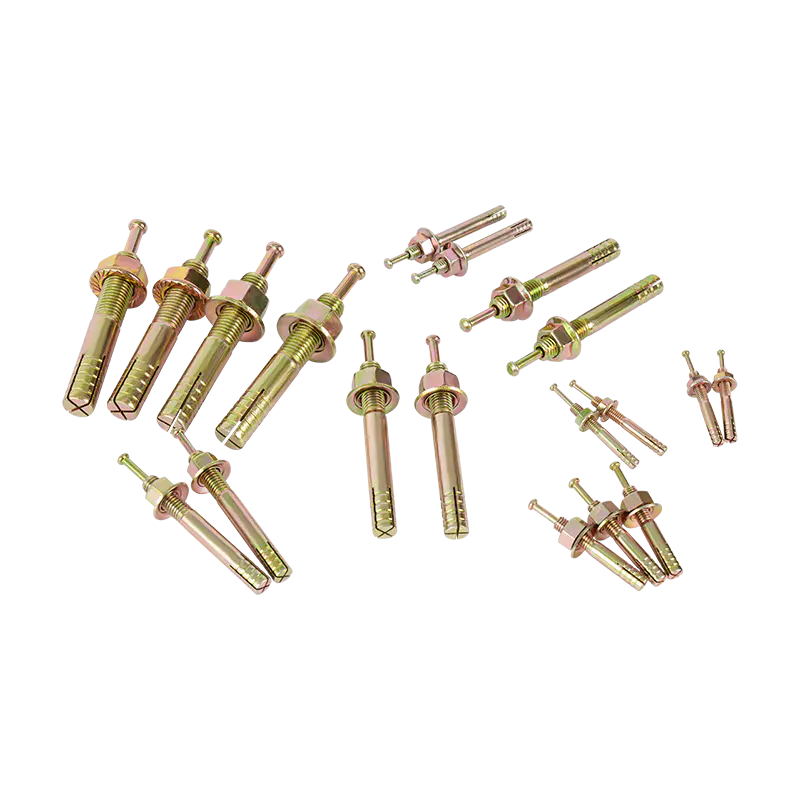
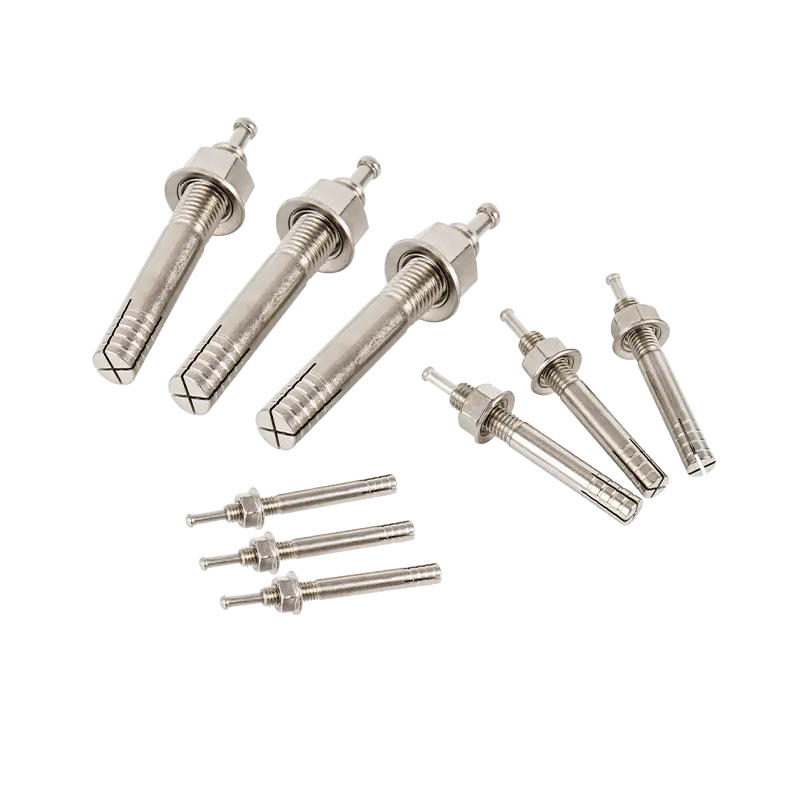
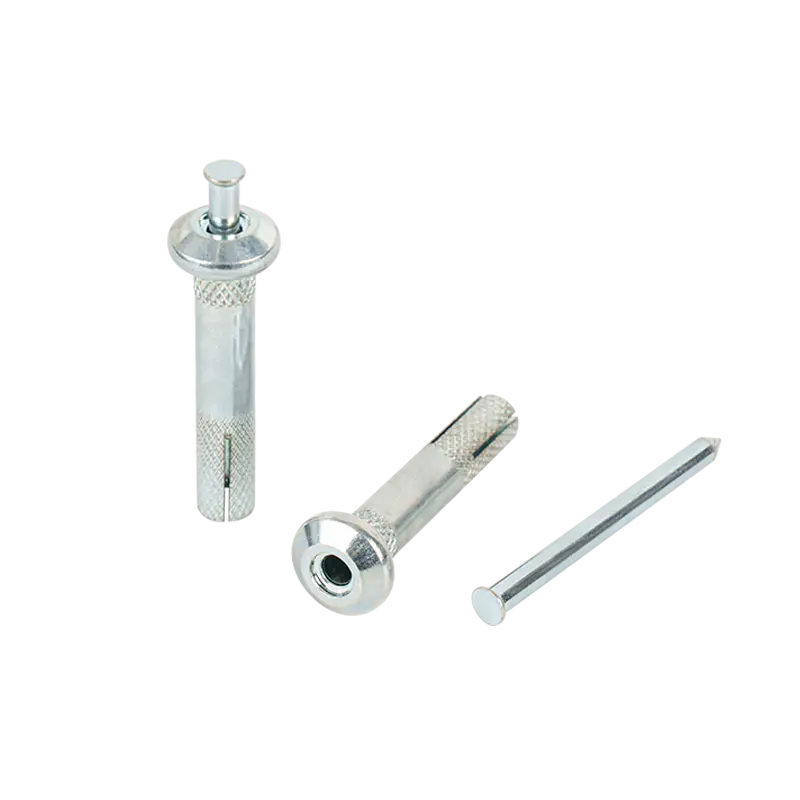
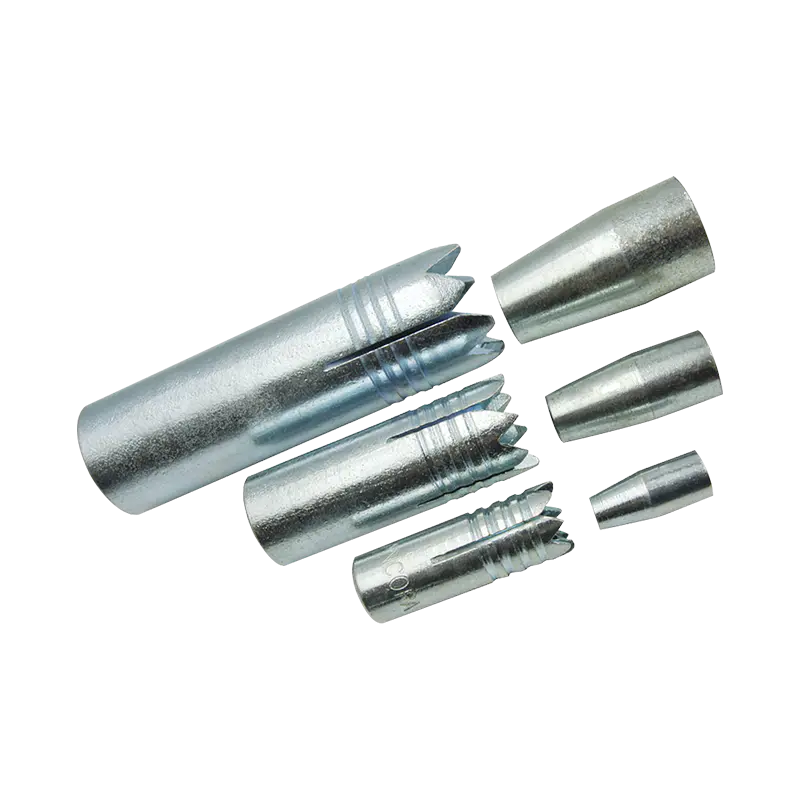
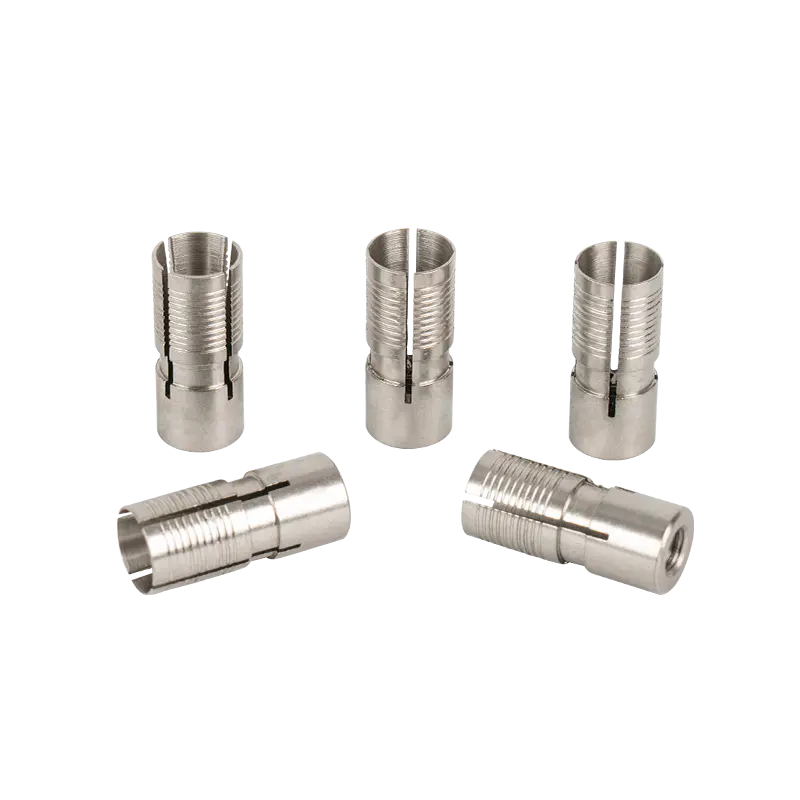
Strike Anchors are widely used mechanical fasteners designed for quick and secure installation in solid concrete substrates. Their hammer-driven expansion mechanism makes them a practical solution for commercial construction, industrial equipment installation, and light structural applications. Despite their simplicity, improper use can significantly reduce holding capacity and compromise overall safety.
A clear understanding of common mistakes when installing Strike Anchors helps prevent structural failures, minimizes maintenance costs, and ensures compliance with engineering standards. The following guide explains frequent installation errors, compares correct and incorrect practices, and outlines professional recommendations for reliable fastening.
How Strike Anchors Function in Concrete
Understanding the working principle of Strike Anchors is essential before discussing mistakes. These anchors are inserted into pre-drilled holes in solid concrete. When the internal drive pin is struck with a hammer, the expansion sleeve spreads outward. This outward force creates friction and mechanical interlock against the concrete wall, allowing the anchor to resist tensile and shear loads.
The performance of Strike Anchors depends on accurate drilling, proper embedment depth, correct spacing, and appropriate load evaluation.
Most Common Mistakes When Using Strike Anchors
1. Using the Wrong Drill Bit Diameter
Selecting an incorrect drill bit size is one of the most frequent errors. If the drilled hole is too large, the expansion sleeve cannot generate sufficient friction, reducing pull-out resistance. If the hole is too small, insertion becomes difficult and may deform the anchor body.
Correct installation requires strict adherence to manufacturer-specified drill diameters. Even minor deviations can significantly impact holding strength.
2. Insufficient Embedment Depth
Embedment depth plays a critical role in load capacity. Drilling a hole that is too shallow prevents Strike Anchors from fully expanding within the concrete. As a result, tensile strength decreases and the risk of pull-out increases.
A recommended practice is to drill slightly deeper than the anchor length to allow space for dust accumulation while ensuring full expansion.
3. Failing to Clean the Drilled Hole
Concrete dust left inside the hole reduces friction between the anchor sleeve and the substrate. Although Strike Anchors rely on mechanical expansion, accumulated debris can weaken grip and reduce long-term reliability.
Proper hole preparation includes:
- Blowing out dust using compressed air
- Brushing the interior surface
- Repeating the cleaning process before insertion
4. Installing in Weak or Cracked Concrete
Strike Anchors are best suited for solid, uncracked concrete. Installing them in deteriorated or heavily cracked substrates reduces expansion effectiveness and may lead to premature failure.
In situations involving cracked concrete or dynamic loads, alternative anchor systems designed for such conditions may be more appropriate.
5. Ignoring Load Calculations
Another common mistake is failing to properly evaluate applied loads. Strike Anchors are generally used in light to medium-duty applications. Exceeding rated tensile or shear capacity can compromise safety.
Load evaluation should consider:
- Tensile forces
- Shear forces
- Dynamic or vibration loads
- Safety factors required by local codes
6. Improper Edge Distance and Anchor Spacing
Anchors installed too close to concrete edges may cause breakout failure. Similarly, placing anchors too close together can reduce overall load capacity due to overlapping stress zones within the concrete.
Maintaining proper spacing and minimum edge distance ensures structural integrity and prevents cracking.
Correct vs Incorrect Installation Practices
Comparing proper and improper installation methods helps clarify the importance of following technical guidelines.
- Incorrect: Estimating drill size visually. Correct: Using manufacturer-recommended drill bit dimensions.
- Incorrect: Skipping hole cleaning. Correct: Performing blow-and-brush cleaning procedures.
- Incorrect: Using minimum embedment depth. Correct: Drilling to specified depth plus dust clearance allowance.
- Incorrect: Ignoring load calculations. Correct: Conducting engineering-based load verification.
Best Practices for Reliable Strike Anchors Installation
- Select anchor size based on design load requirements.
- Use calibrated drilling tools for accuracy.
- Verify concrete condition before installation.
- Maintain required spacing and edge distance.
- Inspect anchor seating after expansion.
- Document installation procedures for quality assurance.
Frequently Asked Questions About Strike Anchors
Q1: Can Strike Anchors be reused?
No. Once expanded, Strike Anchors are intended for permanent installation and should not be reused.
Q2: Are Strike Anchors suitable for masonry block?
They are most effective in solid concrete. Hollow or lightweight masonry may require specialized anchors.
Q3: Does corrosion affect performance?
Yes. Material selection and surface treatment should match environmental conditions, especially in outdoor or high-humidity environments.
Q4: What applications are best suited for Strike Anchors?
They are commonly used for fastening brackets, light structural components, cable trays, and equipment supports in solid concrete.
Conclusion
Avoiding common installation mistakes ensures that Strike Anchors achieve their rated load capacity and long-term durability. Attention to drill accuracy, embedment depth, hole cleanliness, spacing, and load evaluation significantly enhances structural safety.
When installed according to specification, Strike Anchors remain a dependable and cost-effective fastening solution for a wide range of construction and industrial applications.

 English
 日本語
日本語