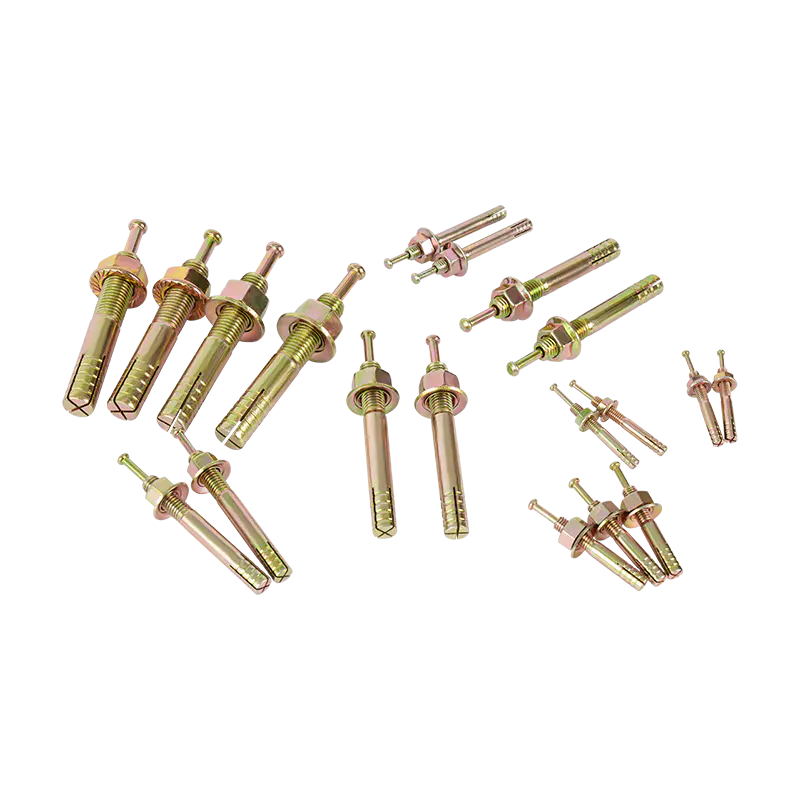
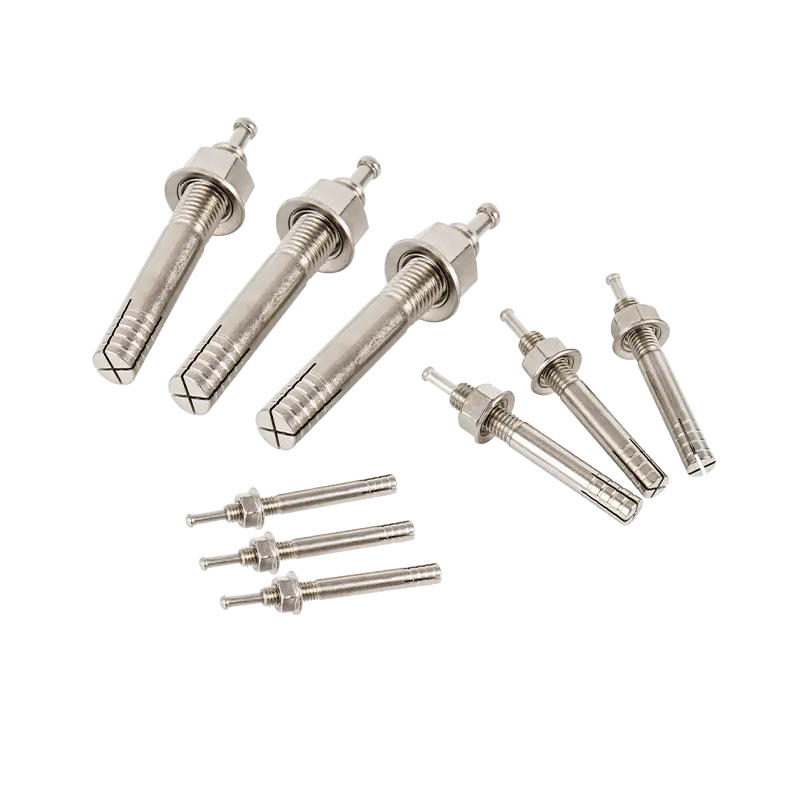
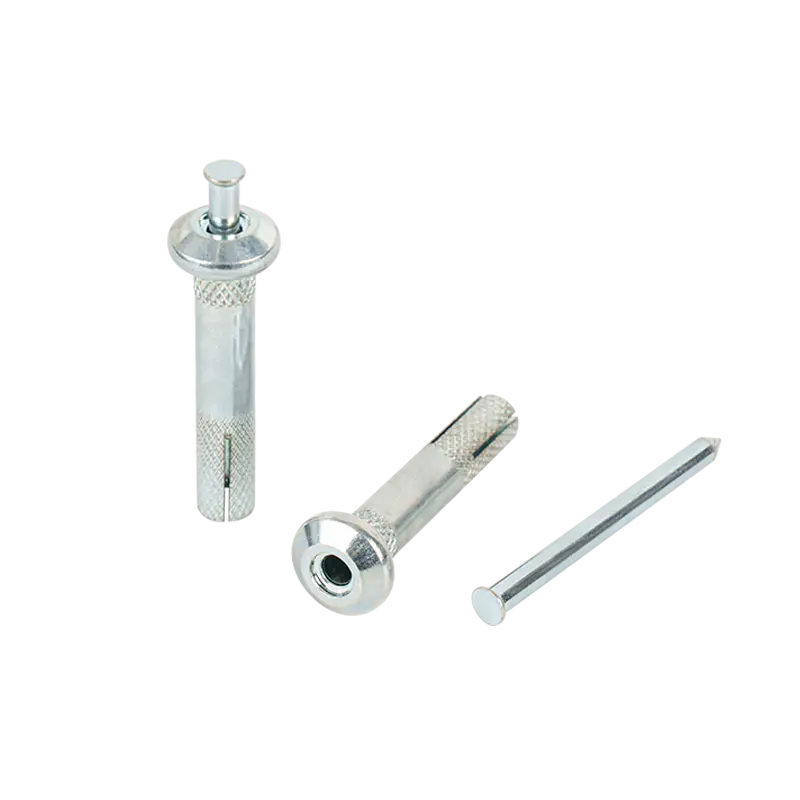
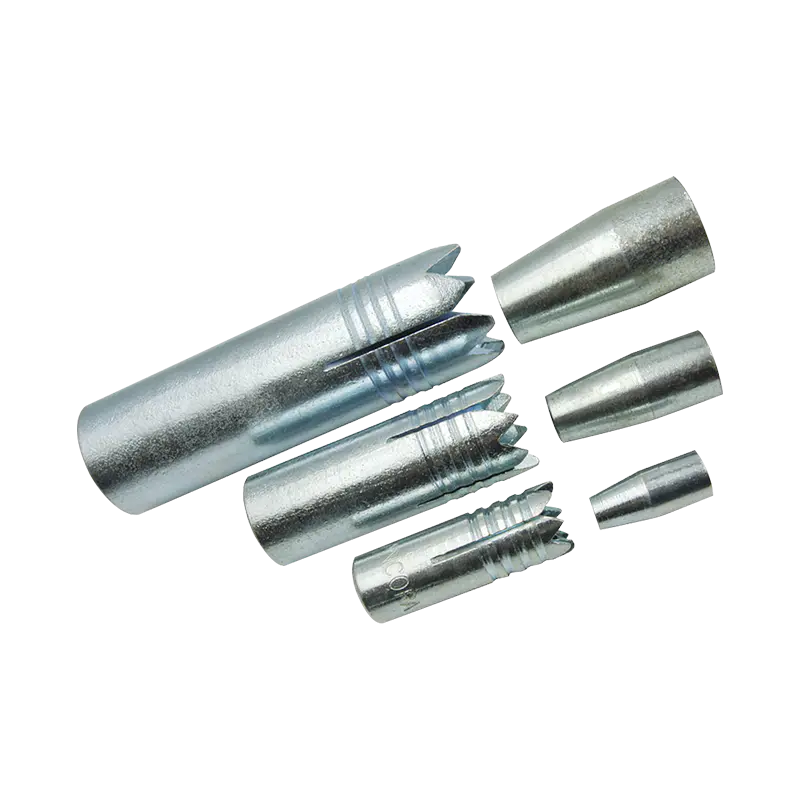
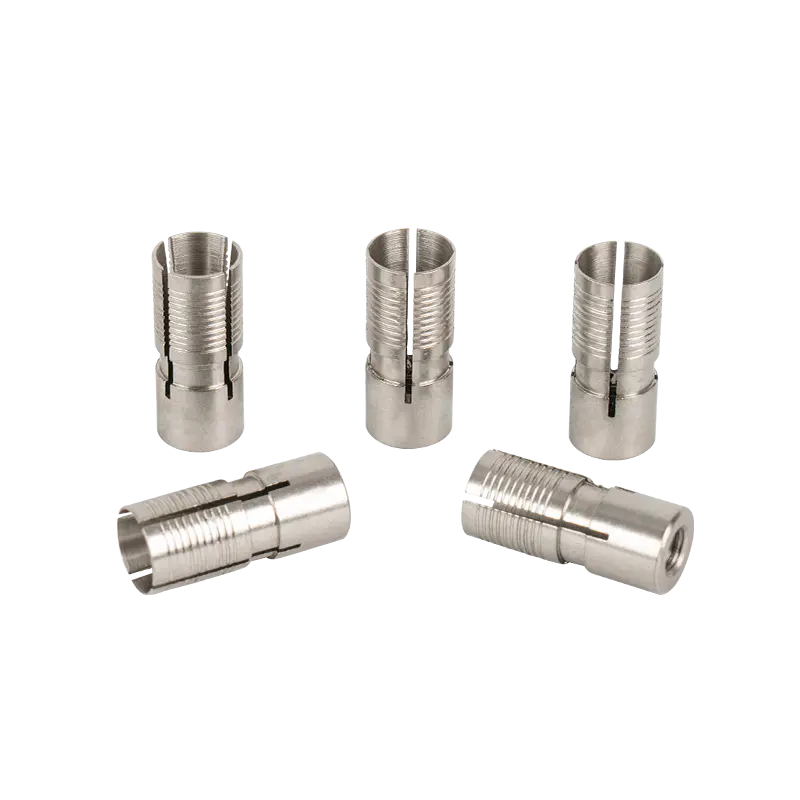
Strike anchors are essential components in various industries, providing a secure and reliable method for fastening structures, equipment, or materials. To ensure that strike anchors work effectively, it is crucial to understand which materials are best suited for their application.
Understanding Strike Anchors
Strike anchors are mechanical fasteners used in construction and engineering projects to provide anchorage for structures and components. They are designed to create a tight grip within concrete, metal, or other substrates, offering a strong, reliable hold. The material compatibility of strike anchors is vital to their performance and longevity. Depending on the application, different materials may be used to ensure the anchor functions optimally.
Key Materials Compatible with Strike Anchors
Strike anchors can be used with various materials, each offering specific benefits and performance characteristics. Here are the primary materials that are most compatible with strike anchors:
1. Concrete
- Durability: Concrete is one of the most common materials used with strike anchors. Concrete provides a solid, stable base that helps maintain the integrity of the anchor, making it ideal for heavy-duty applications in construction and industrial environments.
- Advantages: Concrete offers high compression strength, making it an excellent material for anchor installation.
- Limitations: The material's brittleness may cause issues if the anchor is not installed correctly, especially in high-stress areas.
2. Steel
- Strength: Steel is a robust material commonly used in applications requiring high tensile strength and resistance to corrosion.
- Advantages: Steel supports heavy loads and can withstand extreme stress, making it suitable for structural applications such as machinery mounting and industrial installations.
- Limitations: Steel can be prone to rusting and may require additional coatings to prevent corrosion in outdoor environments.
3. Wood
- Versatility: Wood is another material that strike anchors are compatible with. While not as strong as concrete or steel, wood provides a reliable option for light-duty applications such as furniture assembly and wood framing.
- Advantages: Wood is easy to work with and allows for quick installation of anchors in residential and light commercial projects.
- Limitations: The material can degrade over time, especially when exposed to moisture, which may affect the anchor’s grip.
4. Brick and Masonry
- Strength and Stability: Brick and masonry surfaces offer moderate strength and stability, making them compatible with strike anchors in a variety of applications, particularly in building construction and renovation projects.
- Advantages: These materials can provide a reliable hold for anchors, especially when reinforced with additional bonding agents.
- Limitations: Brittle and prone to cracking under high stress, making proper installation critical to ensuring the integrity of the anchor.
Factors Influencing Material Compatibility
When choosing materials compatible with strike anchors, several factors must be considered:
- Load-bearing capacity: The material must be able to support the weight and force placed on the anchor.
- Environmental conditions: Exposure to moisture, temperature changes, and chemicals can affect the performance of the anchor and the material.
- Installation requirements: Some materials may require pre-drilling or specialized tools for proper anchor installation.
Strike Anchors and Corrosion Resistance
Corrosion resistance is a critical factor in determining the best material for strike anchors. Materials such as stainless steel, galvanized steel, and anodized aluminum offer superior resistance to corrosion, making them ideal for outdoor and marine applications. It is essential to choose materials with corrosion-resistant coatings when using strike anchors in environments where moisture and chemicals are present.
Frequently Asked Questions (FAQ)
1. Can strike anchors be used with all types of concrete?
Strike anchors are generally compatible with most types of concrete, but the quality and age of the concrete can affect the anchor's performance. It is recommended to test the concrete's compressive strength before installation.
2. What is the best material for strike anchors in outdoor environments?
For outdoor environments, materials such as stainless steel, galvanized steel, and anodized aluminum are ideal due to their resistance to corrosion and harsh weather conditions.
3. Are strike anchors suitable for lightweight materials?
Strike anchors can be used with lightweight materials such as wood, but they are more commonly used in heavier-duty applications involving concrete, steel, and masonry.
Conclusion
Choosing the right material for strike anchors is essential to ensuring their effectiveness and longevity. Concrete, steel, wood, and masonry are the most common materials compatible with strike anchors, with each offering distinct advantages depending on the specific application. By understanding the compatibility factors and material characteristics, you can select the best combination for your project, ensuring a secure and reliable anchor installation.

 English
 日本語
日本語