Strike Anchors are a popular choice in various industrial applications due to their reliability and efficiency in securing materials and structures. But how do they compare to other fastening systems such as expansion anchors, toggle bolts, or screw fasteners?
What Are Strike Anchors?
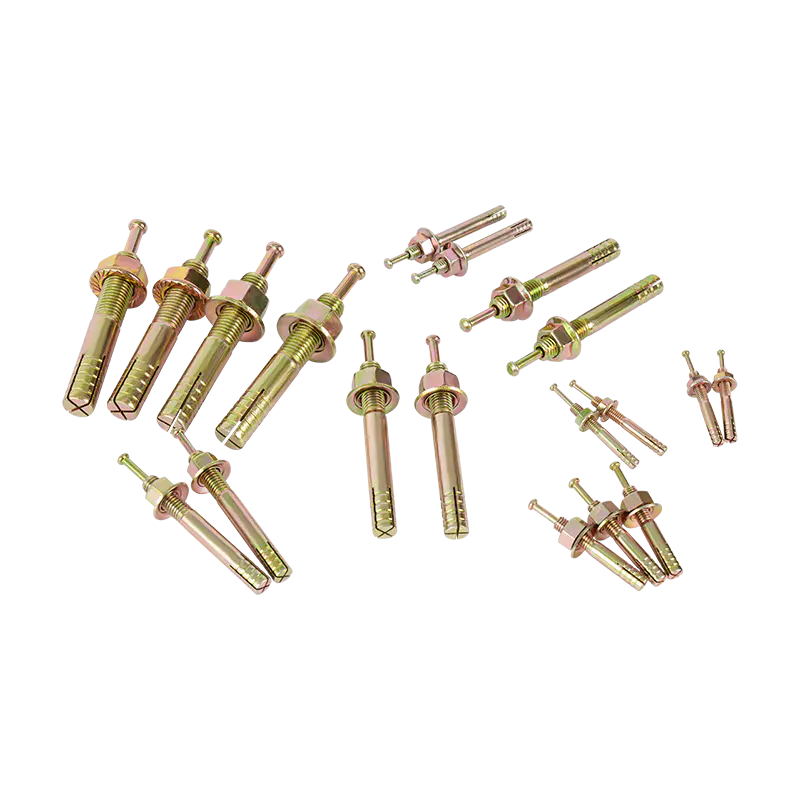
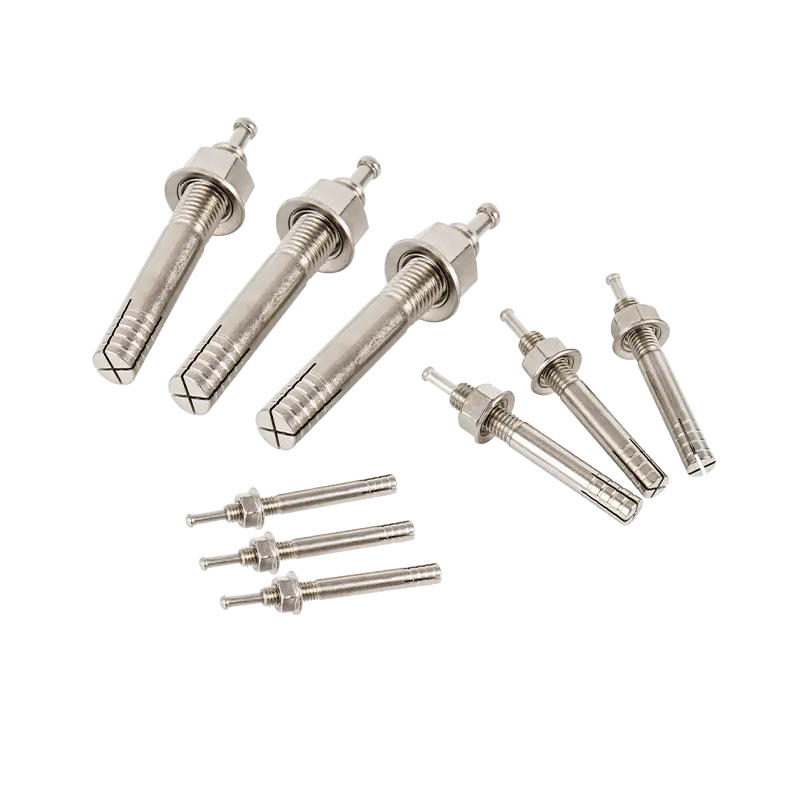
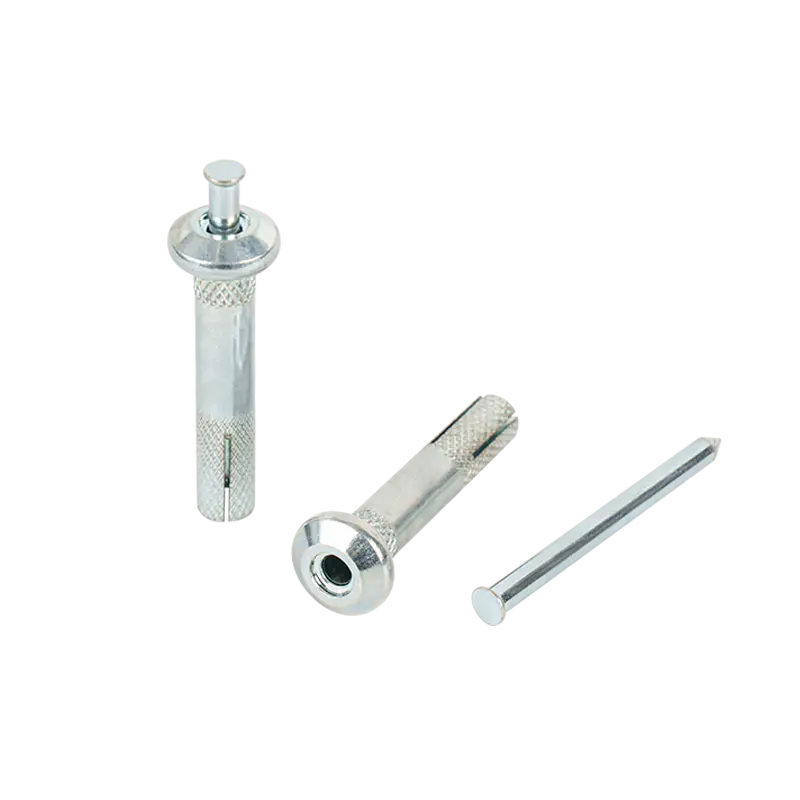
Strike Anchors are a type of mechanical anchor designed for use in concrete or masonry. They are ideal for securing heavy-duty fixtures or equipment, such as machinery, shelving, and structural supports. The anchor functions by expanding within a drilled hole when a fastening bolt or screw is tightened, creating a strong bond between the anchor and the material.
Types of Strike Anchors
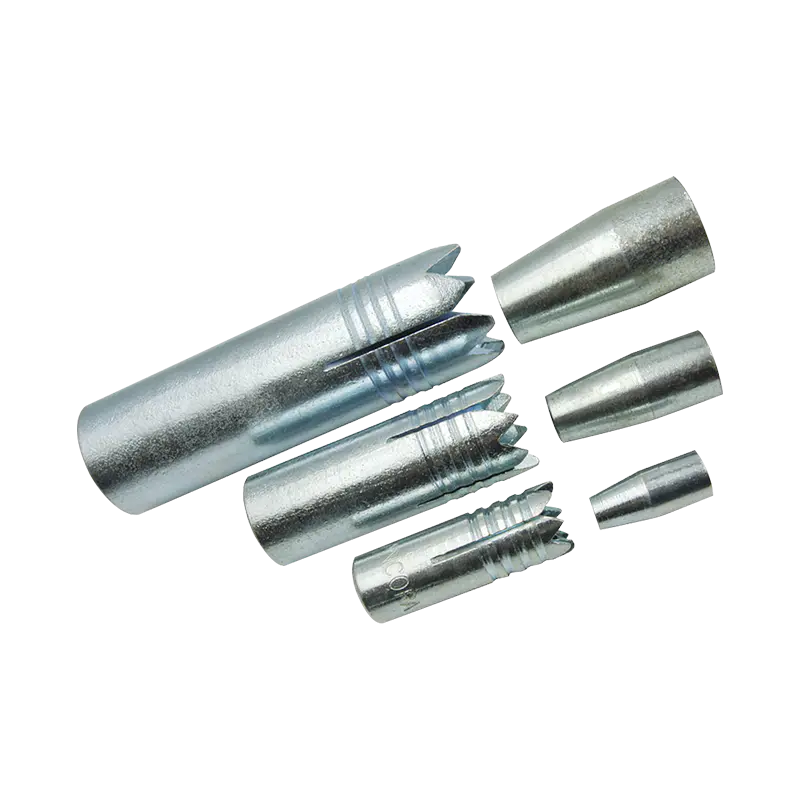
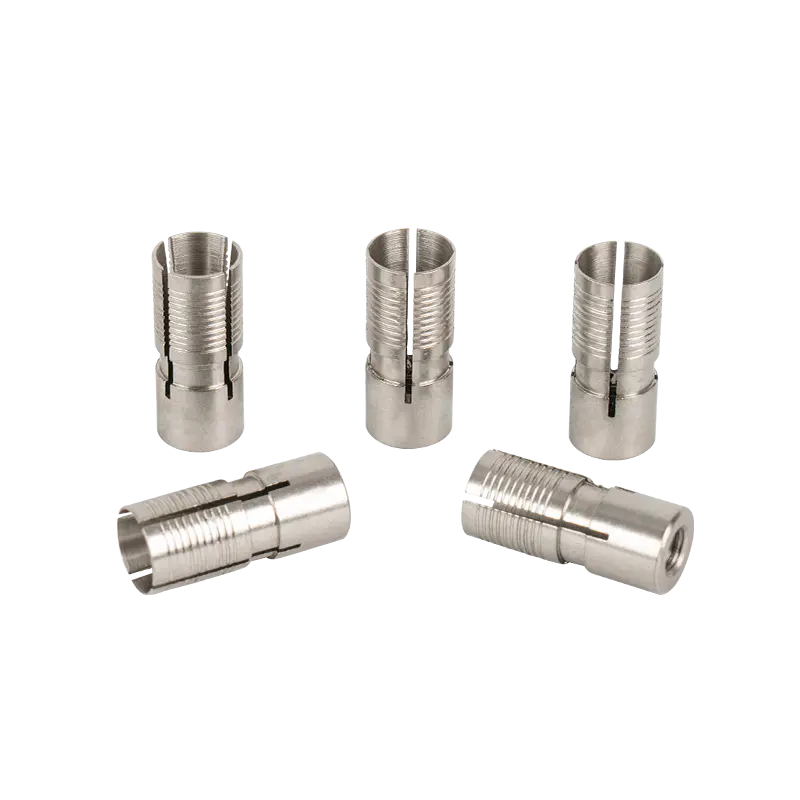
- Drop-in Anchors: Typically used for overhead applications, these anchors provide a strong hold in hollow concrete blocks and are designed to accommodate a bolt.
- Through-bolt Anchors: These anchors require a bolt to pass entirely through the material, offering increased strength for heavier loads.
- Wedge Anchors: Wedge-shaped anchors that expand upon installation, providing a robust grip in solid materials.
Comparing Strike Anchors to Other Fastening Systems
1. Strength and Load Capacity
Strike Anchors are known for their ability to handle high loads in solid concrete and masonry. Their design allows them to provide a strong and secure connection. However, when compared to other systems, there are notable differences in performance under specific conditions.
2. Durability and Longevity
Strike Anchors excel in terms of durability, particularly in harsh environments like construction sites or outdoor applications. Unlike toggle bolts or screw fasteners, which may degrade over time due to exposure to moisture or heavy use, Strike Anchors remain highly effective for longer periods. Expansion anchors may also offer high durability, but their holding capacity can diminish in soft materials or over time.
3. Ease of Installation
Installation of Strike Anchors can be more labor-intensive compared to alternatives like screw fasteners or toggle bolts. However, their strong hold makes them ideal for demanding applications. In contrast, other systems like expansion anchors or toggle bolts are quicker to install, although they might not provide the same long-term strength.
4. Cost-Effectiveness
Strike Anchors are generally more expensive than other fastening systems due to their superior load capacity and durability. However, the higher initial cost is often justified by the anchor's longer lifespan and its ability to support heavy-duty applications. In contrast, toggle bolts and screw fasteners may be more affordable upfront but could require frequent replacement in heavy-duty scenarios.
Frequently Asked Questions
1. Can a Strike Anchor be used in all types of concrete?
Strike Anchors are highly effective in solid concrete and masonry. However, for softer materials like drywall or certain types of brick, other systems like expansion anchors or toggle bolts may be more suitable.
2. Are Strike Anchors reusable?
While Strike Anchors are strong, they are generally not reusable once installed, as the expansion process typically compromises the anchor's structure. However, for some models, the bolt can be replaced if necessary.
3. How do I choose between Strike Anchors and other fastening systems?
Choosing the right fastening system depends on your specific requirements. For heavy-duty applications requiring high strength and long-term durability, Strike Anchors are the best option. For lighter or less demanding tasks, other systems like screw fasteners or toggle bolts may suffice.

 English
 日本語
日本語