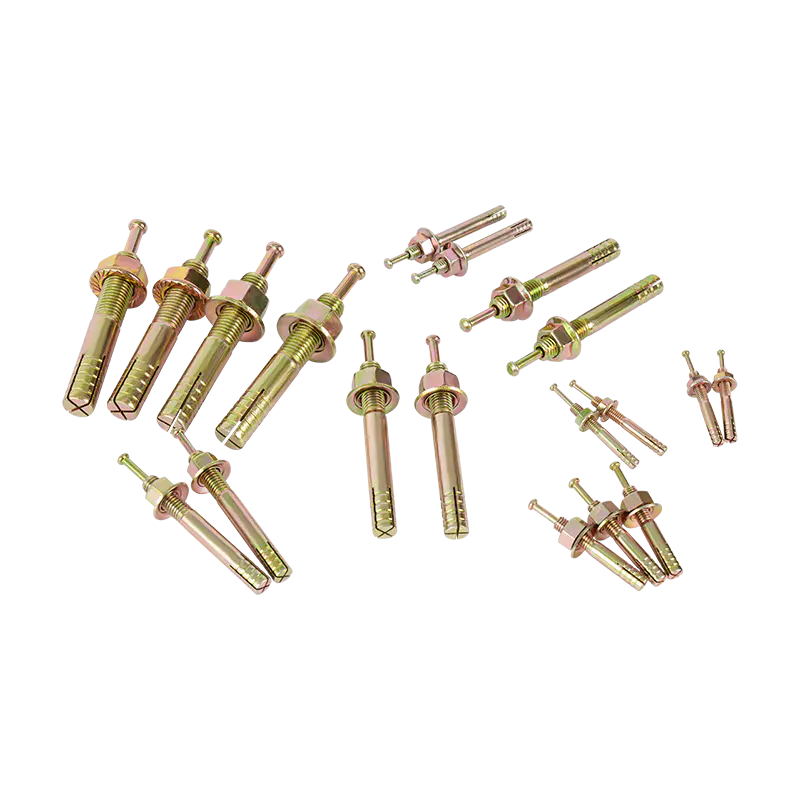
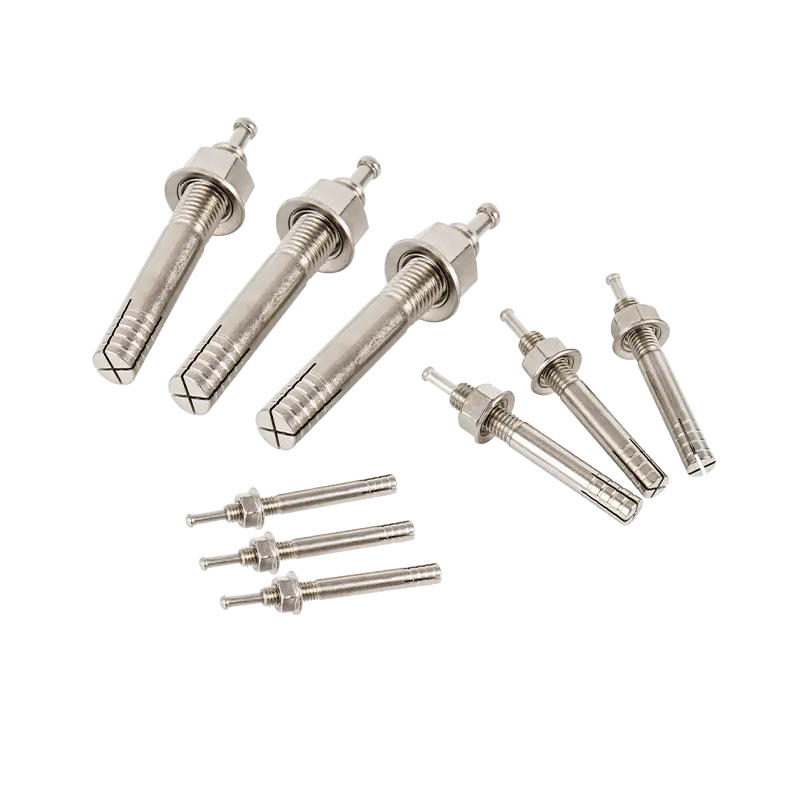
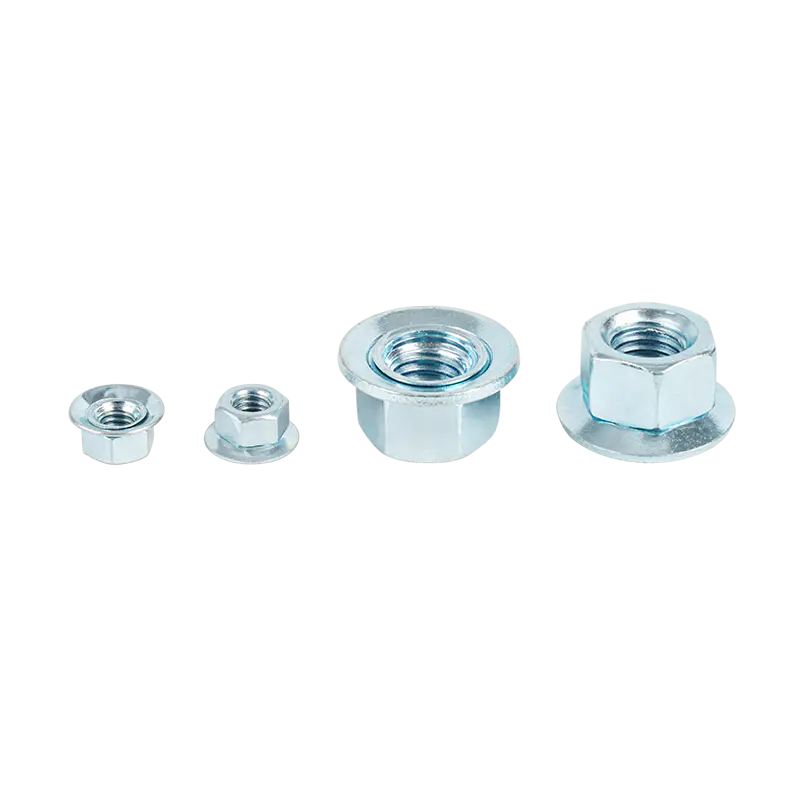
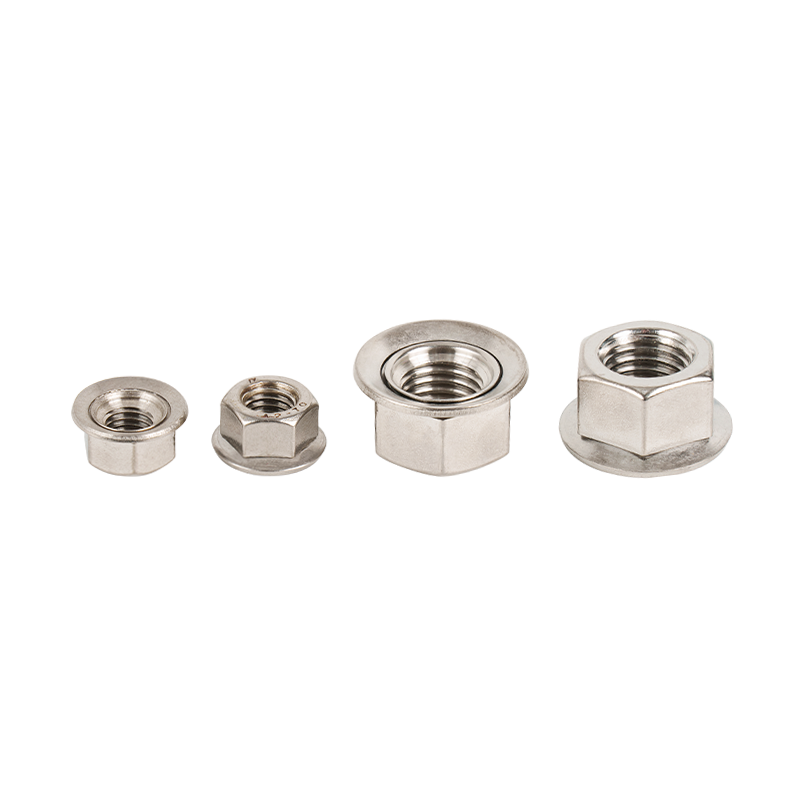
Short Answer: In most concrete anchoring scenarios, a Strike Anchor delivers higher and more reliable load capacity than a standard expansion bolt — especially in terms of pull-out resistance and vibration performance. However, the actual capacity depends on base material, embedment depth, and installation quality.
What Is a Strike Anchor?
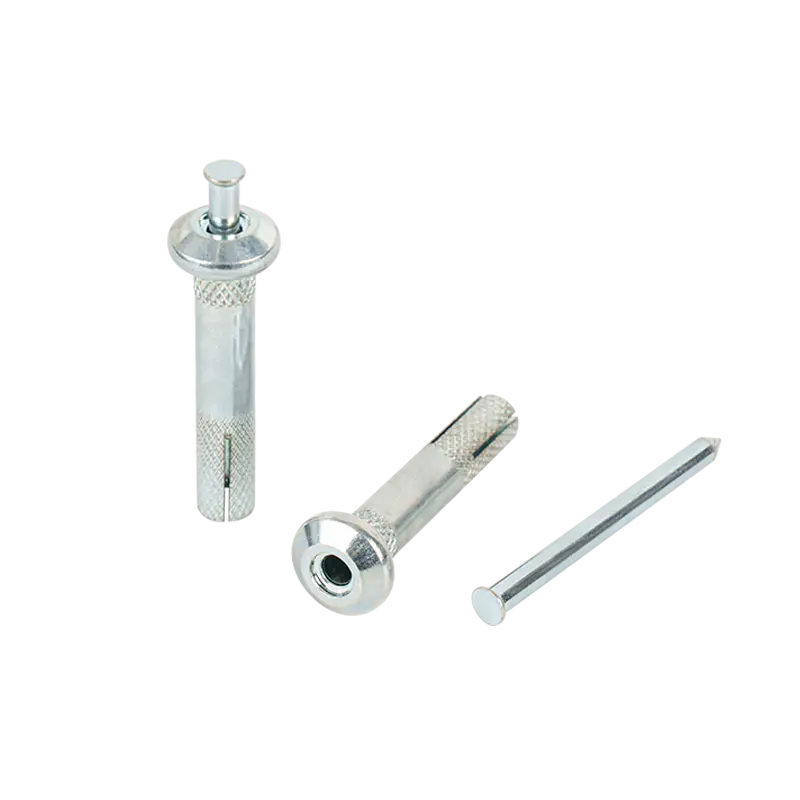
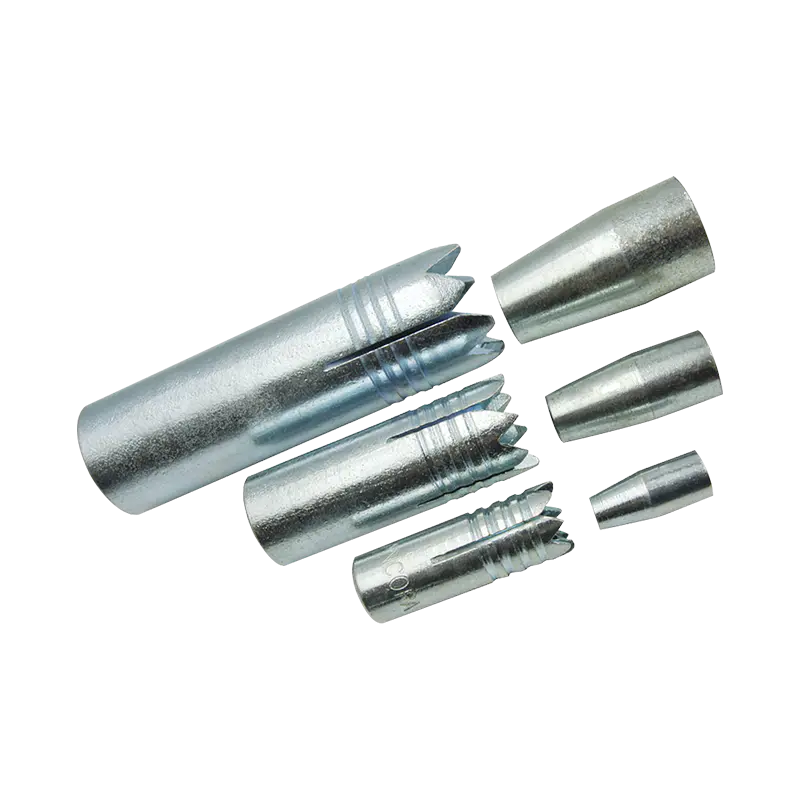
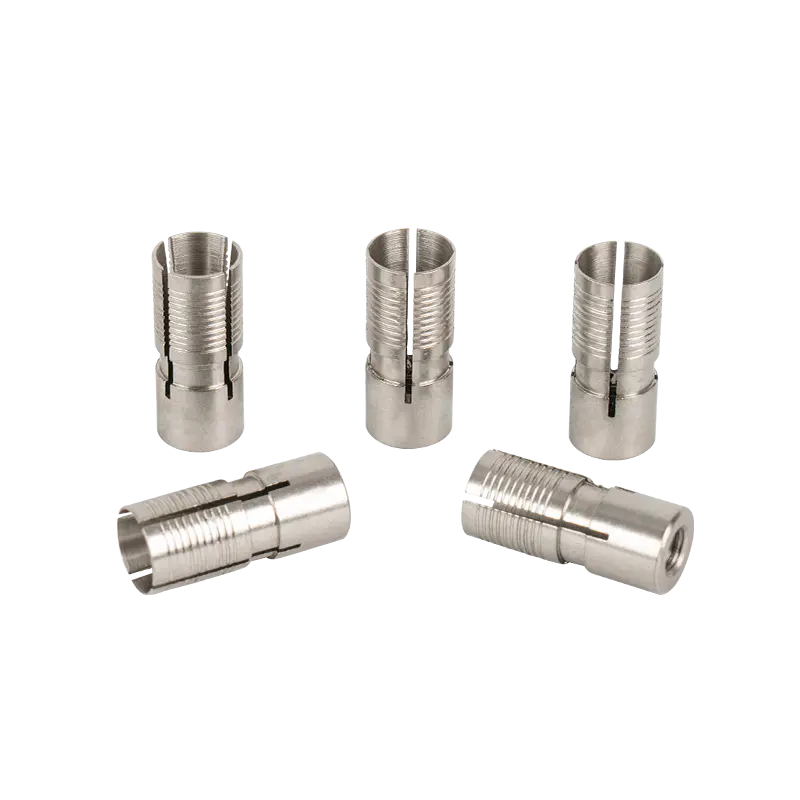
A Strike Anchor (also known as a drop-in anchor or hammer-set anchor) is a pre-set internally threaded anchor designed for use in solid concrete. It is installed into a pre-drilled hole and set by striking a setting tool with a hammer. Once set, the anchor expands internally against the concrete, creating a strong mechanical interlock.
The Strike Anchor is widely used in structural construction, mechanical installations, overhead applications, and anywhere a flush-mount, high-strength connection is required. Its design allows for a clean finished surface since no part of the anchor protrudes beyond the base material.
What Is an Expansion Bolt?
An expansion bolt (sometimes called a wedge anchor or sleeve anchor) works by expanding a mechanical sleeve or wedge outward against the walls of a drilled hole as the bolt is tightened. This outward pressure creates friction and mechanical resistance that holds the bolt in place.
Expansion bolts are one of the most commonly used anchoring systems in construction, available in a wide variety of sizes and suitable for concrete, brick, block, and other masonry substrates.
Why Does the Strike Anchor Generally Outperform in Load Capacity?
1. Deeper Mechanical Engagement
The Strike Anchor expands internally at the bottom of the drilled hole. This means the expansion force acts deep within the concrete matrix, where the material is under compression. This deep engagement significantly improves pull-out resistance compared to shallow surface-level expansion.
2. Consistent Pre-Set Load
The installation of a Strike Anchor is performed with a calibrated setting tool, ensuring the expansion is uniform and complete every time. Expansion bolts, by contrast, rely on operator torque, which can vary and lead to inconsistent clamping force.
3. Superior Vibration and Dynamic Load Performance
In environments where vibration is present — machinery bases, HVAC systems, bridge fixtures — Strike Anchors maintain their holding power more reliably. Expansion bolts can gradually loosen under cyclic loading, reducing their effective capacity over time.
4. High Shear Capacity at the Interface
Because the Strike Anchor sits flush and the bolt bears directly at the shear plane, it achieves excellent lateral load transfer. This is critical for bracket mounting, steel frame connections, and overhead installations.
When Should You Choose an Expansion Bolt Instead?
Despite the Strike Anchor's strength advantages, there are valid reasons to choose an expansion bolt:
Hollow or cracked concrete — Strike Anchors require solid concrete to achieve full expansion. Expansion bolts (especially sleeve types) may perform better in softer or compromised substrates.
Quick, non-critical installations — Expansion bolts are faster and easier to install without a setting tool.
Budget-sensitive projects — Expansion bolts are generally lower in cost per unit.
Field adjustability — Expansion bolts allow some bolt removal and reinstallation, useful during fit-up.
Varied substrates — For masonry, brick, or block, expansion bolts are often the only practical option.
Recommended Applications
Best uses for Strike Anchors:
Structural steel connections to concrete slabs and walls
Heavy mechanical equipment bases
Overhead pipe hangers and cable trays
Safety-critical fixtures requiring verified load ratings
Interior architectural features in solid concrete structures
Best uses for Expansion Bolts:
Light-duty shelving and wall brackets
Masonry and brick wall fixings
Temporary structures and formwork
General-purpose anchoring where high loads are not a primary concern
Frequently Asked Questions (FAQ)
Q1: Can a Strike Anchor be used in cracked concrete?
Standard Strike Anchors are not rated for cracked concrete. In environments with seismic activity or structural cracking, you should specify anchors that are explicitly tested and approved for cracked concrete applications according to relevant design standards (e.g., ACI 318, ETAG 001).
Q2: How do I determine the correct Strike Anchor size for my project?
Anchor selection should be based on the design load (tension, shear, or combined), the concrete strength, embedment depth, and any applicable safety factors. Always consult the manufacturer's load tables or a structural engineer for critical applications.
Q3: Is a Strike Anchor removable after installation?
Yes — the threaded bolt inserted into the Strike Anchor can be removed and replaced. However, the anchor body itself remains permanently set in the concrete. This makes it ideal for applications where fixtures need to be periodically removed for maintenance.
Q4: Do expansion bolts loosen over time?
Under sustained vibration or dynamic loading, torque-set expansion bolts can experience a gradual reduction in clamping force. This is less of a concern with Strike Anchors, which are set mechanically rather than through torque. Regular inspection and re-torquing may be required for expansion bolts in high-vibration environments.
Q5: Can I use a Strike Anchor in a ceiling (overhead) application?
Yes — Strike Anchors are widely used in overhead applications precisely because of their flush installation and high pull-out resistance. For overhead safety-critical installations, always apply appropriate safety factors (typically 4:1 or higher) and verify with the anchor's published load data.
Q6: What material grades are available for Strike Anchors?
Strike Anchors are commonly available in carbon steel (zinc-plated), stainless steel 304, and stainless steel 316. For corrosive or outdoor environments, stainless steel variants should be selected to maintain long-term load performance.
Conclusion
When it comes to raw load capacity in solid concrete — particularly pull-out resistance and vibration performance — the Strike Anchor has a clear advantage over a standard expansion bolt. Its deep mechanical engagement, consistent pre-set expansion, and flush installation make it the preferred choice for structural, overhead, and high-cycle applications.
That said, expansion bolts remain a valuable and practical tool for lighter loads, mixed substrates, and budget-sensitive projects. The right choice always depends on your specific application, substrate condition, and load requirements.

 English
 日本語
日本語