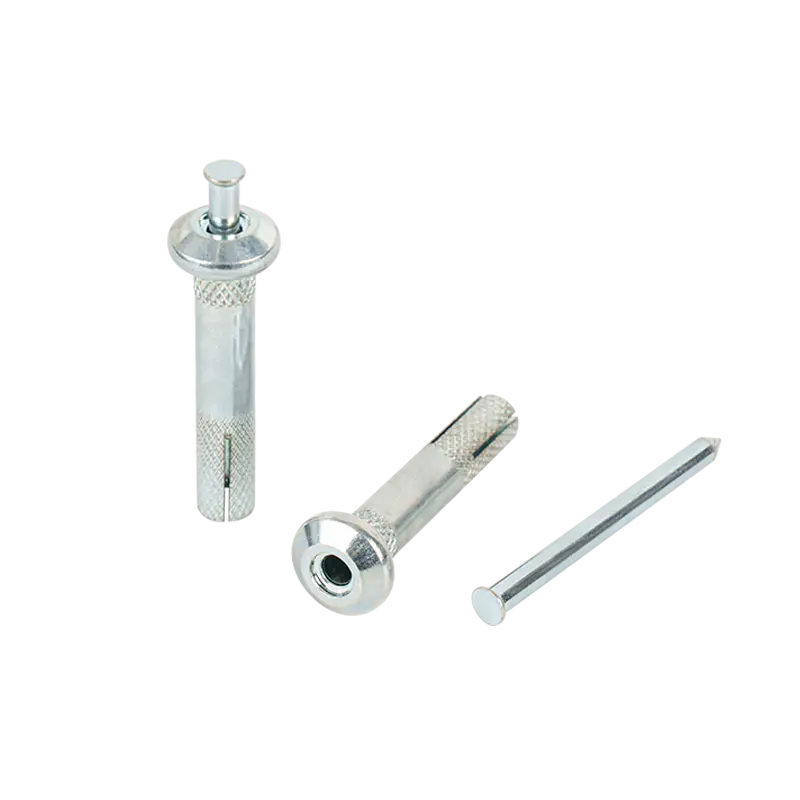
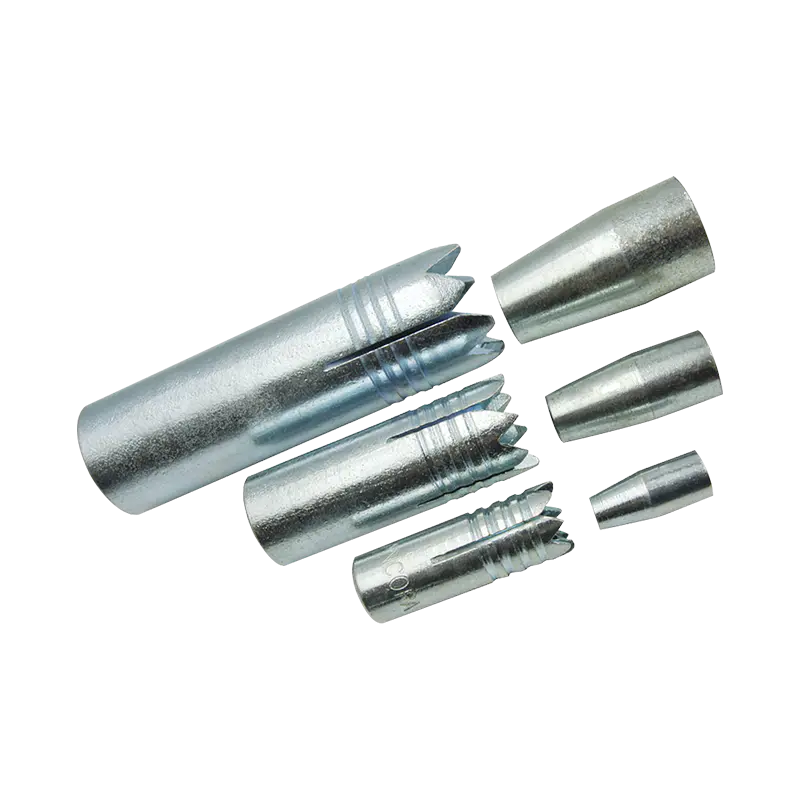
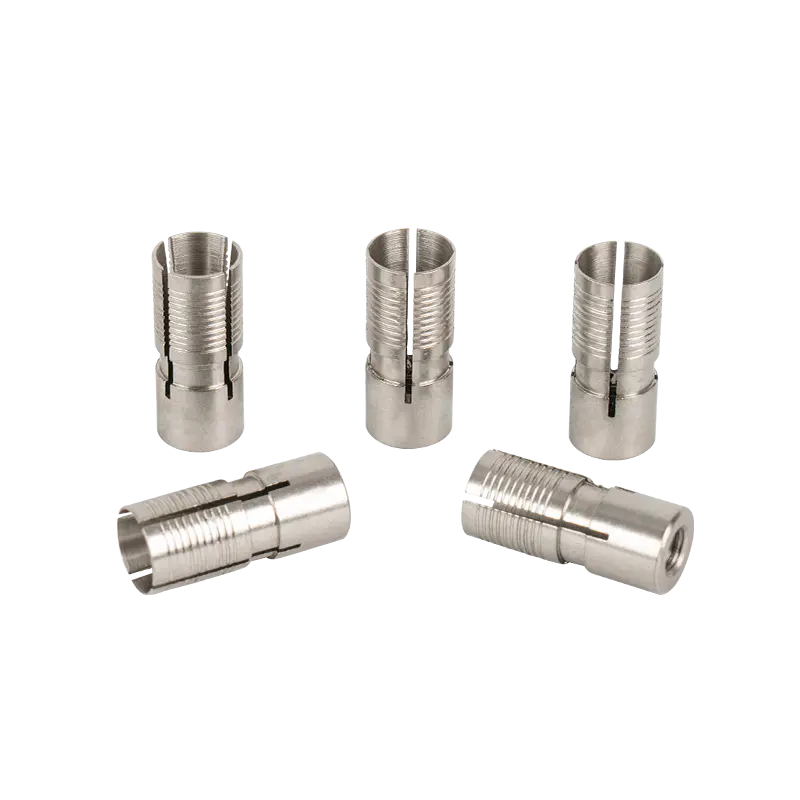
A strike anchor is a specialized heavy-duty fastener designed for permanent installation in solid concrete, featuring a unique impact-driven expansion mechanism. Unlike other bolts that require torque to set, a strike anchor is activated by striking a central pin with a hammer, making it one of the fastest and most reliable concrete expansion bolts for high-volume construction projects.
Defining the Strike Anchor: The Impact-Driven Powerhouse
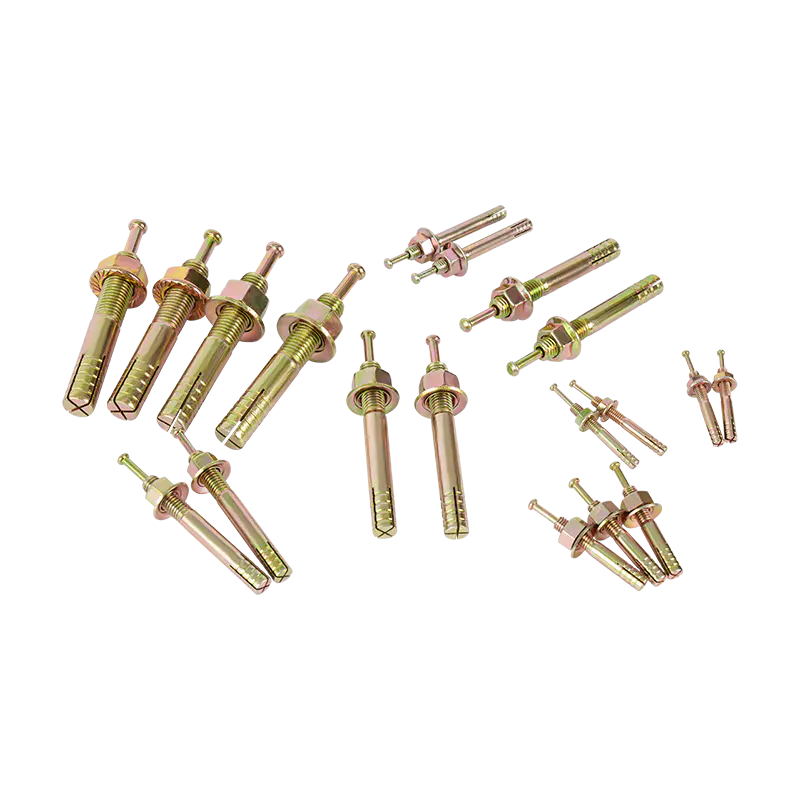
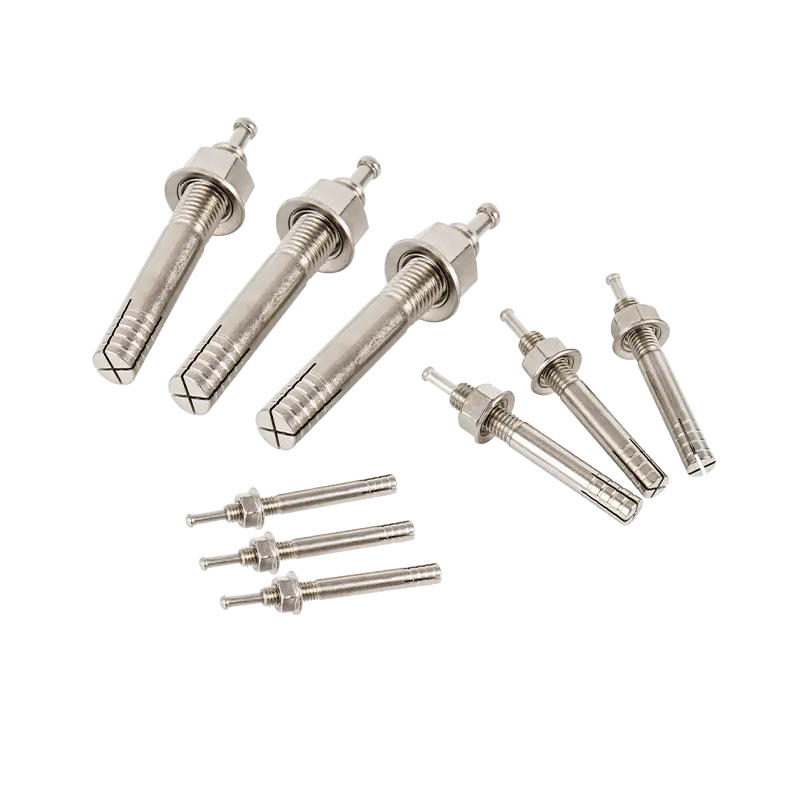
A strike anchor is a multi-component concrete fastener consisting of a tubular body, a hardened steel drive pin, and a pre-assembled nut and washer. It is specifically engineered for "through-bolting" applications where the fastener is inserted through the fixture directly into the pre-drilled hole in the concrete.
The core appeal of the strike anchor lies in its simplicity. When the drive pin is struck, it travels down the center of the anchor body, forcing the bottom sections to expand outward against the walls of the hole. This creates a high-friction mechanical interlock. Because it does not rely on a wrench for initial setting, it eliminates the risk of over-torquing or under-torquing during the expansion phase, ensuring a consistent hold every time.
Structural Anatomy of a Strike Anchor
The structural integrity of a strike anchor depends on three high-precision components working in unison to provide maximum shear strength and tensile load capacity.
- The Anchor Body: Usually made of carbon steel or stainless steel, the body is threaded at the top and split at the bottom into two or four expansion segments.
- The Internal Drive Pin: A hardened steel pin that sits inside the body. It is slightly larger in diameter than the internal channel of the expansion zone, which facilitates the outward force.
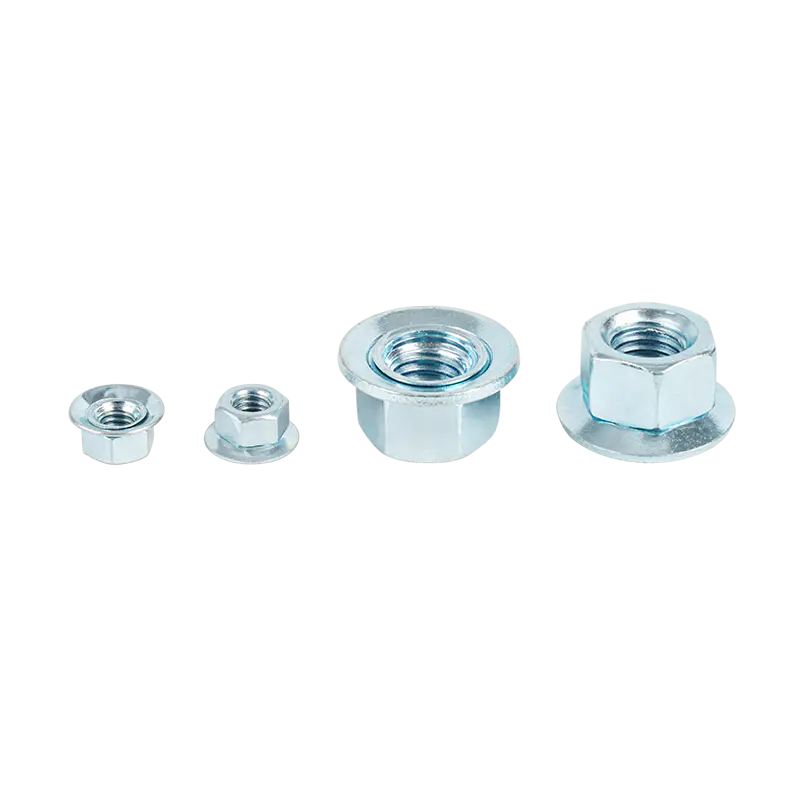
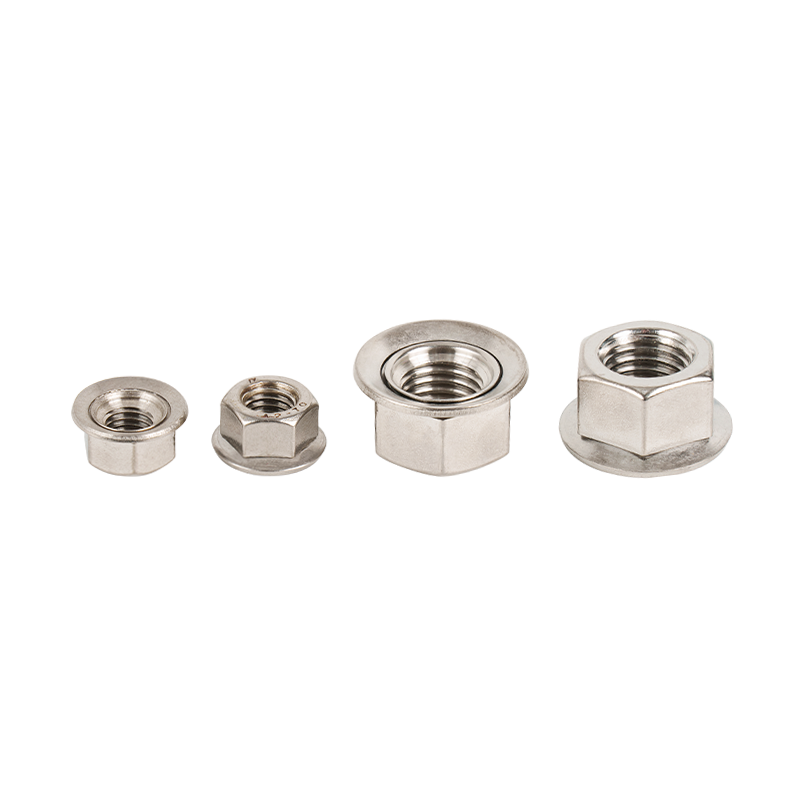
- Hardware: Each strike anchor comes with a nut and washer already attached, which helps maintain the correct embedment depth and secures the fixture against the surface.
Strike Anchor vs. Wedge Anchor: A Detailed Comparison
The primary difference between a strike anchor and a wedge anchor is the method of expansion: strike anchors use impact force via a pin, while wedge anchors use rotational torque via a nut.
While both are considered concrete expansion bolts, the wedge anchor uses a small expansion clip (the "wedge") at the base. As you tighten the nut, the anchor body is pulled upward, forcing the wedge to expand. In contrast, the strike anchor body remains stationary while the pin moves downward. This makes strike anchors more suitable for applications where the final height of the bolt must be precise, as the anchor body does not "climb" out of the hole during setting.
| Feature |
Strike Anchor |
Wedge Anchor |
| Installation Method |
Hammer/Impact Driven |
Wrench/Torque Driven |
| Speed of Use |
Very High (Fastest) |
Moderate |
| Visual Inspection |
Easy (Pin flush with head) |
Requires Torque Wrench |
| Base Material |
Solid Concrete only |
Solid Concrete only |
Strike Anchor vs. Sleeve Anchor: Understanding the Load
Sleeve anchors are versatile fasteners for various masonry types, whereas strike anchors are strictly designed for high-strength solid concrete.
A sleeve anchor features a full-length sleeve that expands along its entire length, making it safer for use in brick or block where the material might be slightly hollow or brittle. A strike anchor, however, provides a much more concentrated expansion force at the base of the hole. Because the strike anchor requires a significant impact to set, using it in brick or hollow block would likely cause the base material to crack or shatter. Therefore, for heavy structural attachments to concrete slabs or walls, the strike anchor is the superior choice for sheer speed and grip.
How to Install a Strike Anchor Properly
Correct installation of a strike anchor requires a precise drill bit diameter and a clean hole to ensure the mechanical expansion works effectively.
- Drill the Hole: Use a hammer drill and a carbide-tipped bit that matches the diameter of the strike anchor. The hole should be slightly deeper than the intended embedment.
- Clean the Hole: Use a blow pump or vacuum to remove all concrete dust. Residual dust can prevent the drive pin from fully seating or the anchor from expanding correctly.
- Insert the Anchor: Place the fixture (the item you are mounting) over the hole. Insert the strike anchor through the fixture and into the hole until the washer is snug against the fixture.
- Drive the Pin: Using a heavy hammer, strike the center pin until it is flush with the top of the anchor body.
- Final Check: Ensure the nut is tightened to pull the fixture firmly against the concrete surface.
Key Advantages of Using Strike Anchors
The primary advantage of the strike anchor is its "set-it-and-forget-it" nature, which significantly reduces labor costs in large-scale industrial installations.
1. Instant Visual Confirmation
One of the biggest challenges with concrete fasteners is knowing if they are fully expanded. With a strike anchor, if the pin is flush with the top, the anchor is set. This allows building inspectors and site managers to verify thousands of anchors quickly without needing a torque wrench for every single bolt.
2. No Specialized Tools Required
While other heavy-duty anchors might require calibrated torque wrenches or specific setting tools (like drop-in anchors), the strike anchor only requires a standard hammer. This simplifies the tool belt requirements for workers on-site.
3. Consistent Embedment Depth
Since the nut and washer are pre-assembled, the strike anchor provides a built-in guide for how deep the anchor should sit. This prevents the common mistake of driving an anchor too deep into the concrete, which can weaken the connection.
Limitations and Safety Considerations
Despite their strengths, strike anchors are not suitable for every environment, particularly those involving vibratory loads or non-solid masonry.
Because the expansion is permanent and driven by a pin, strike anchors cannot be easily removed or readjusted once set. If a mistake is made, the anchor must be cut off flush with the concrete. Additionally, they should never be used in brick, block, or stone. The intense point-of-contact pressure from the expansion zone can cause these materials to crack. Furthermore, for overhead installations, some engineers prefer drop-in anchors or heavy-duty screw anchors due to the way they handle tension.
Technical Specifications and Load Capacities
The pull-out strength of a strike anchor depends heavily on the PSI of the concrete and the depth of the embedment.
| Anchor Diameter |
Min. Embedment |
Average Tension Load (2000 PSI Concrete) |
Average Shear Load |
| 1/4" |
1-1/8" |
~1,200 lbs |
~1,100 lbs |
| 3/8" |
1-1/2" |
~2,500 lbs |
~2,800 lbs |
| 1/2" |
2" |
~4,200 lbs |
~4,500 lbs |
| 3/4" |
3" |
~7,800 lbs |
~9,000 lbs |
Frequently Asked Questions (FAQ)
Can I use a Strike Anchor in overhead applications?
While technically possible, strike anchors are generally recommended for floor and wall applications in solid concrete. For overhead use, ensure the load does not exceed the safety-rated tensile strength and consider using anchors with more widespread expansion, like sleeve anchors, if the concrete quality is unknown.
Are Strike Anchors removable?
No, strike anchors are considered permanent fasteners. Once the pin is driven, the expansion is locked. To remove a fixture, you must remove the nut and washer and then use a grinder to cut the protruding bolt flush with the concrete surface.
Can I use a Strike Anchor in ACQ pressure-treated lumber?
If you are attaching pressure-treated lumber to concrete, you must use a stainless steel strike anchor. Standard zinc-plated steel will corrode rapidly when in contact with the chemicals found in modern pressure-treated wood.
What is the difference between a Strike Anchor and a Drop-In Anchor?
A drop-in anchor is female-threaded and sits flush with or below the concrete surface, requiring a separate bolt to be screwed into it. A strike anchor is a male-threaded stud that protrudes from the concrete. Drop-ins are better for temporary fixtures, while strike anchors are for permanent mounting.
Conclusion: Why Choose the Strike Anchor?
The strike anchor stands out as the most efficient concrete expansion bolt for high-volume, permanent structural attachments in solid concrete. Its impact-based setting mechanism provides unmatched installation speed and easy visual inspection, making it a favorite for electrical conduits, pipe hangers, and dock equipment. By understanding how it differs from wedge anchors and sleeve anchors, professionals can ensure they are using the right tool for the job, balancing load capacity with operational efficiency.

 English
 日本語
日本語