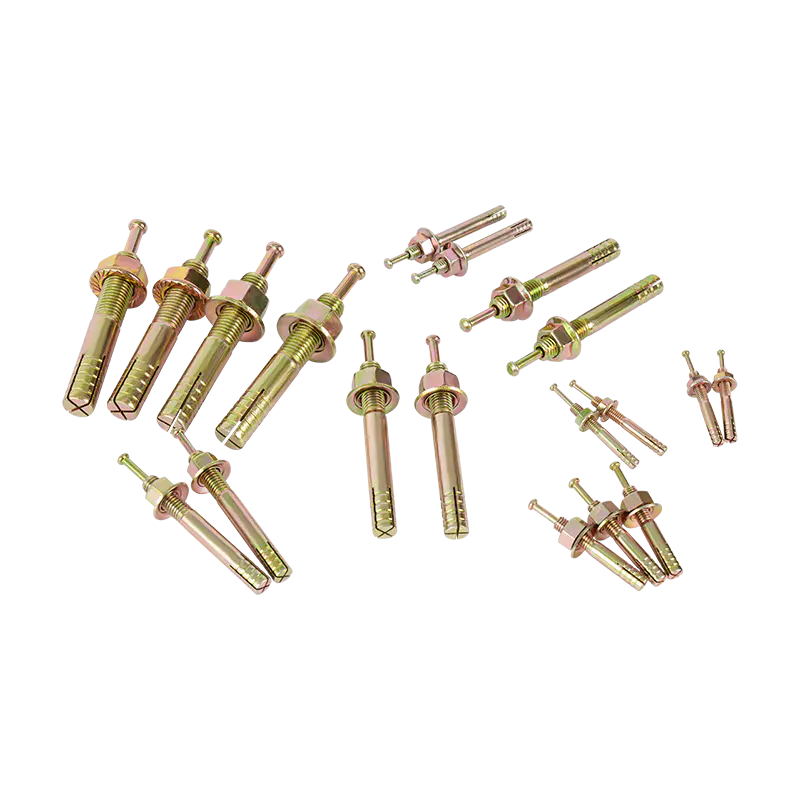
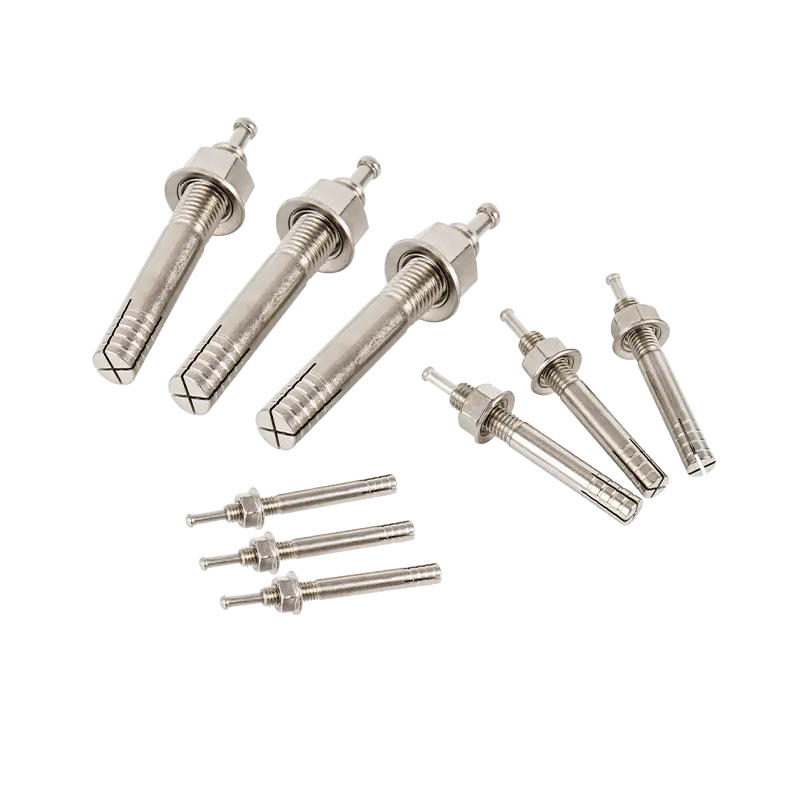
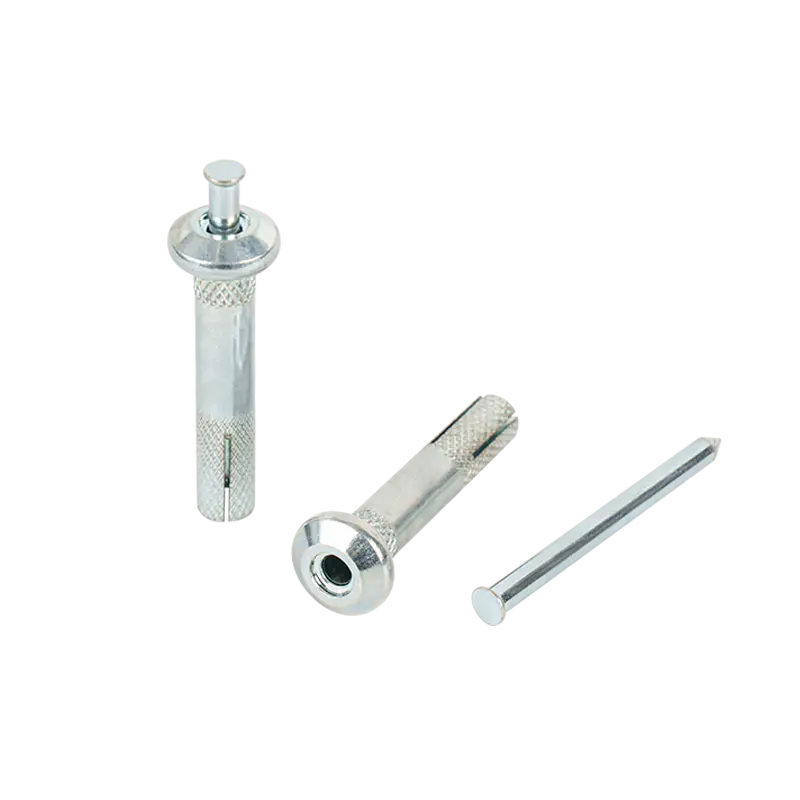
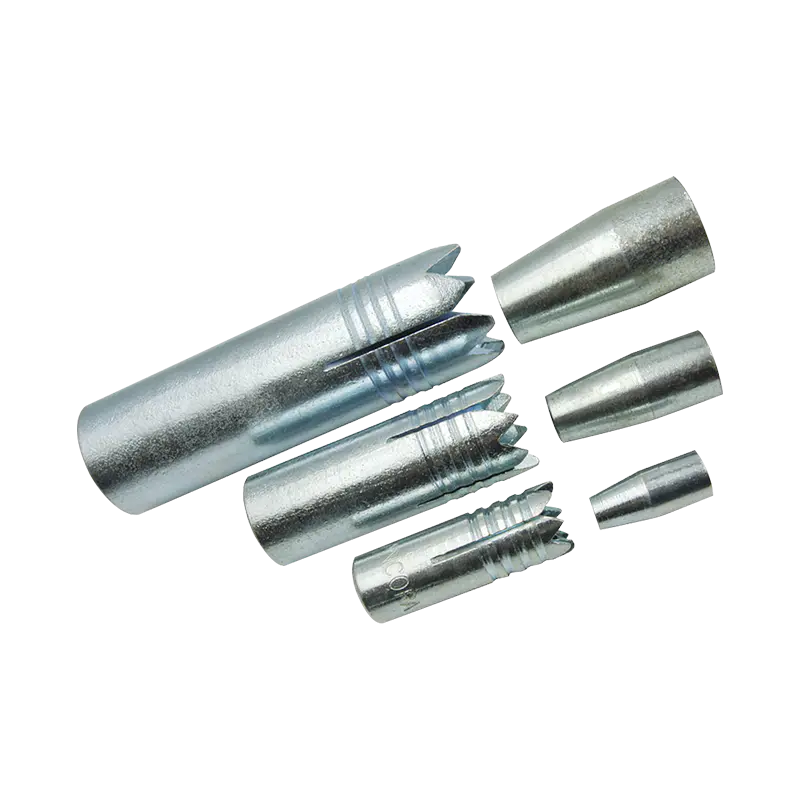
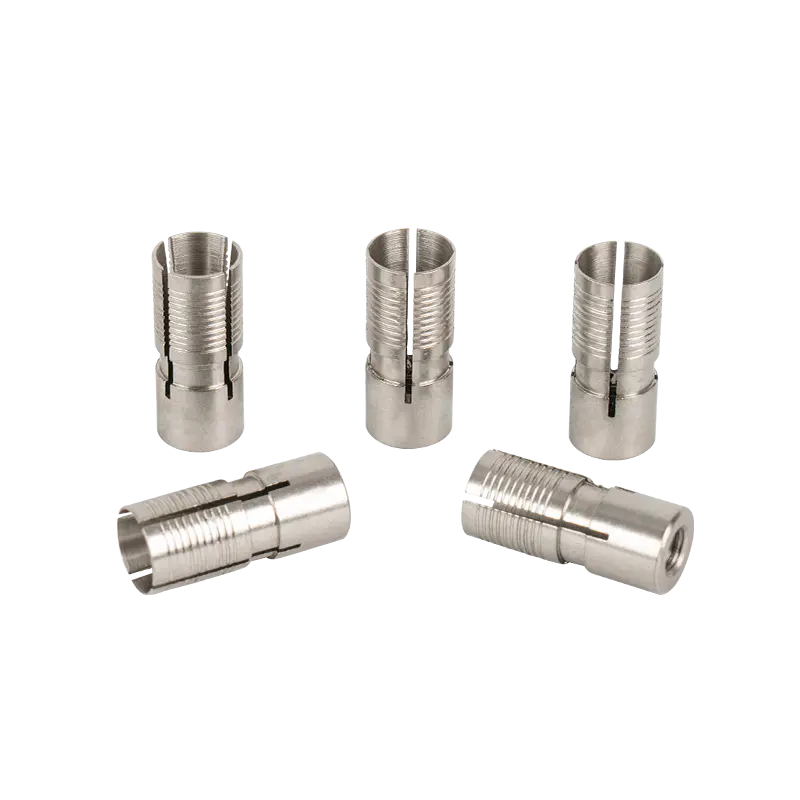
The tensile and shear strength of a Strike Anchor depends on factors such as diameter, material, embedment depth, and base material (e.g., concrete strength). Generally, a standard Strike Anchor can تحمل tensile loads ranging from 1 kN to over 20 kN, and shear loads from 2 kN to 25 kN or more. However, these values must always be interpreted alongside safety factors, installation conditions, and real-world application requirements.
Understanding Strike Anchor Load Capacities
The load-bearing capacity of a Strike Anchor is typically divided into two main categories:
1. Tensile Strength (Pull-Out Strength)
Tensile strength refers to the maximum force that attempts to pull the anchor straight out of the base material.
- Typical Range: 1 kN – 20+ kN
- Affected By:
- Concrete compressive strength
- Embedment depth
- Anchor diameter
- Installation quality
- Common Applications: Suspended systems, ceiling fixtures, cable trays
2. Shear Strength
Shear strength is the capacity of the Strike Anchor to resist forces acting perpendicular to its axis.
- Typical Range: 2 kN – 25+ kN
- Affected By:
- Anchor material hardness
- Diameter and cross-section
- Edge distance and spacing
- Common Applications: Railings, brackets, machinery base fixing
Key Factors Influencing Strike Anchor Performance
To correctly interpret the load data of a Strike Anchor, it is important to consider the following:
- Base Material Strength: Higher-grade concrete provides better holding capacity.
- Embedment Depth: Deeper installation increases both tensile and shear strength.
- Edge Distance: Anchors installed too close to edges may reduce capacity.
- Spacing Between Anchors: Overcrowding reduces effective load distribution.
- Installation Accuracy: Improper drilling or debris can weaken anchoring performance.
How to Interpret Load Ratings of Strike Anchor
1. Ultimate Load vs. Safe Working Load
Manufacturers often provide ultimate (maximum) load values. However, in real applications:
- Safe Working Load (SWL) is typically 25%–50% of the ultimate load.
- Safety factors account for uncertainties such as installation variation and material defects.
2. Static vs. Dynamic Loads
- Static Loads: Constant forces (e.g., mounted equipment)
- Dynamic Loads: Vibrations or impacts (require higher safety margins)
3. Load Direction Consideration
In real scenarios, loads are rarely purely tensile or shear. A combination of both must be evaluated for a Strike Anchor.
Advantages of Using Strike Anchor
- Quick Installation: No need for torque control tools
- Reliable Shear Performance: Suitable for structural attachments
- Cost-Effective: Ideal for large-scale applications
- Consistent Performance: Standardized design ensures predictable results
FAQs About Strike Anchor Load Capacity
Q1: Can a Strike Anchor be used in cracked concrete?
It depends on the design and certification. Some Strike Anchor types are suitable for cracked concrete, but verification is required.
Q2: Why is my actual load capacity lower than expected?
- Insufficient embedment depth
- Poor drilling quality
- Weak base material
Q3: How do I choose the right Strike Anchor size?
Select based on required load, safety factor, and installation conditions. Always refer to technical datasheets.
Q4: Is shear strength more important than tensile strength?
It depends on the application. For lateral loads, shear strength is critical; for suspended loads, tensile strength is more important.
Conclusion
The tensile and shear strength of a Strike Anchor vary widely depending on specifications and conditions. Understanding how to interpret these load values—especially the difference between ultimate and safe working loads—is essential for safe and efficient application. By considering installation factors and load types, users can maximize the performance and reliability of Strike Anchor systems.

 English
 日本語
日本語