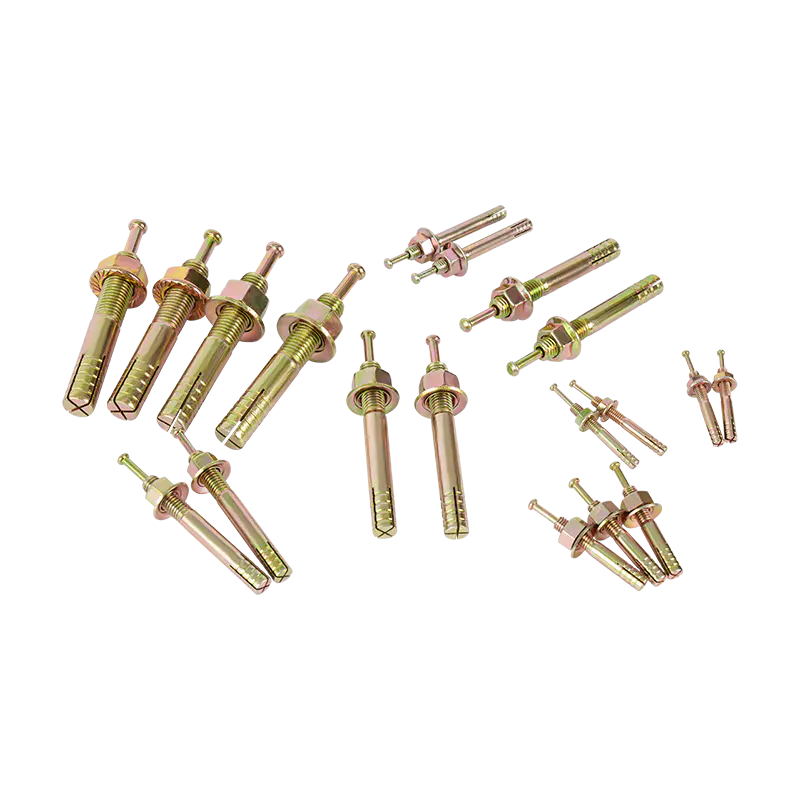
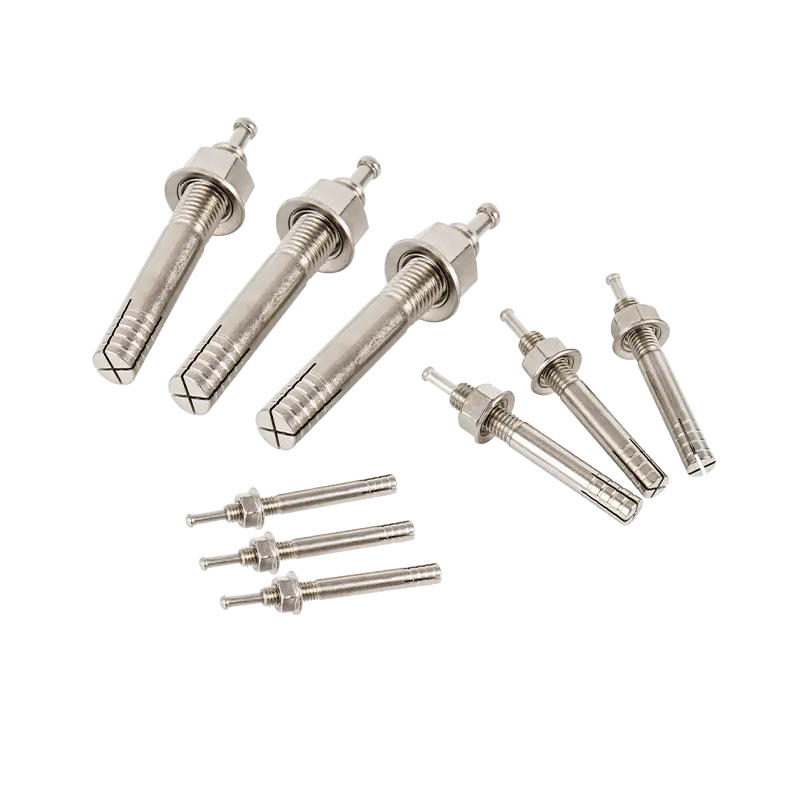
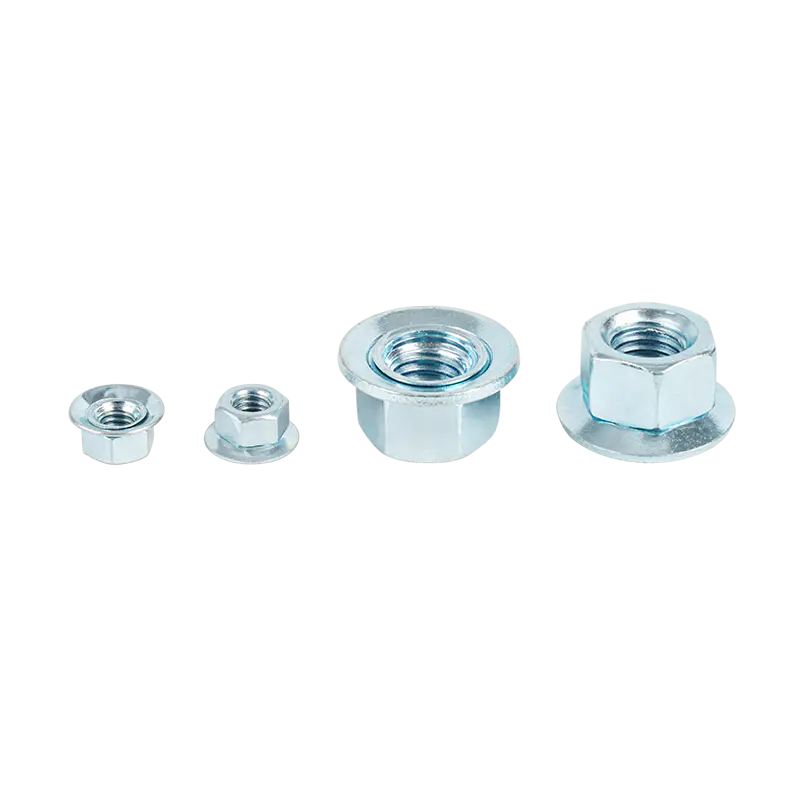
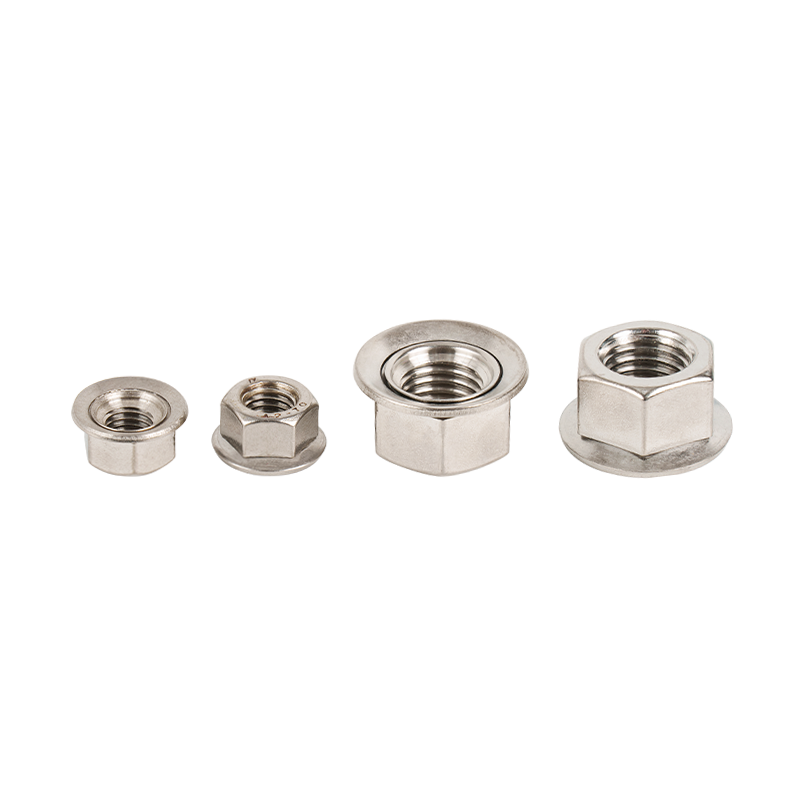
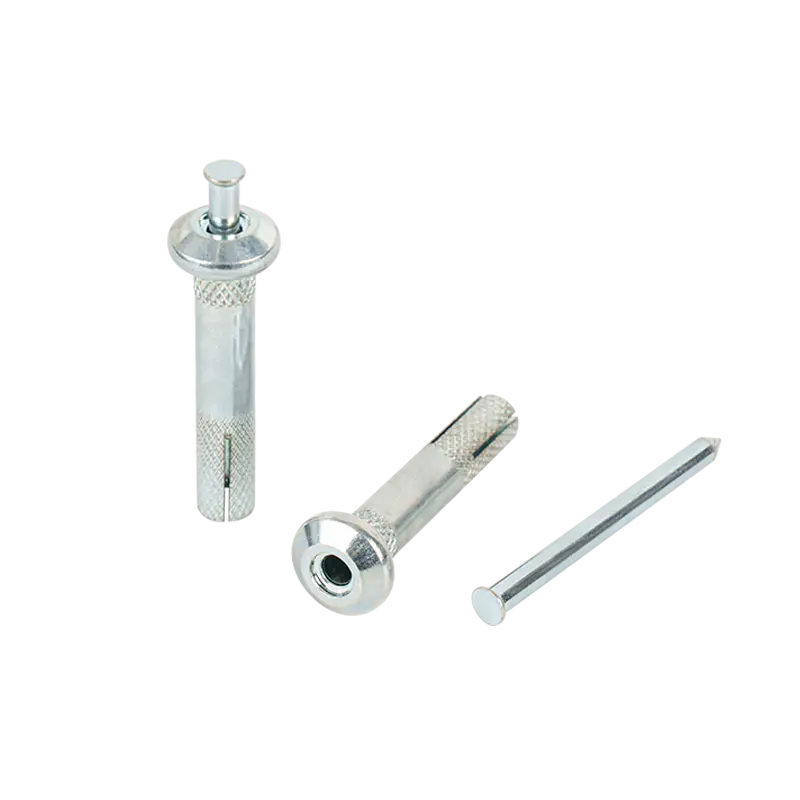
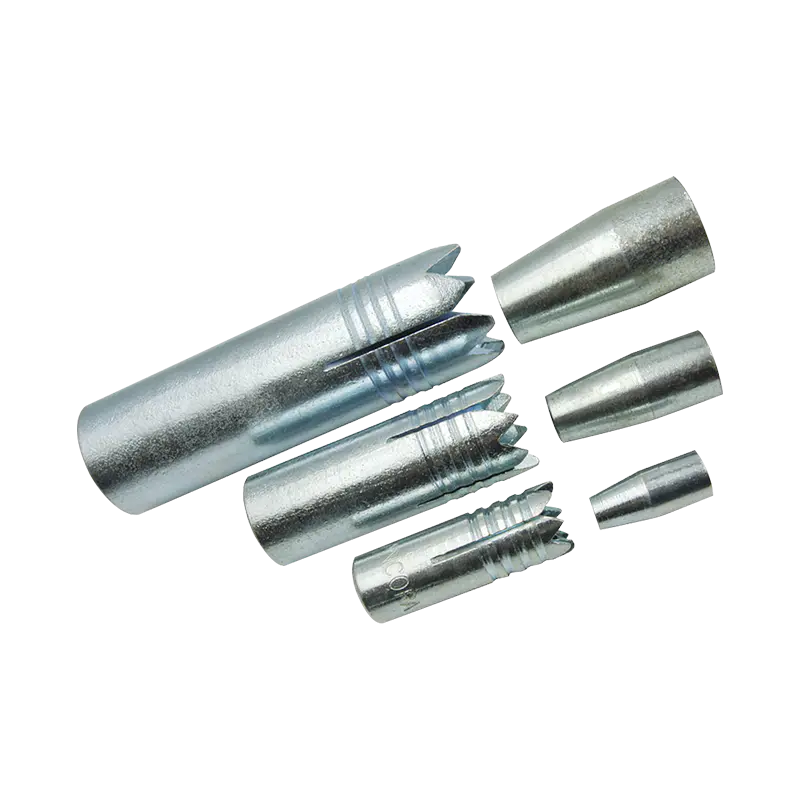
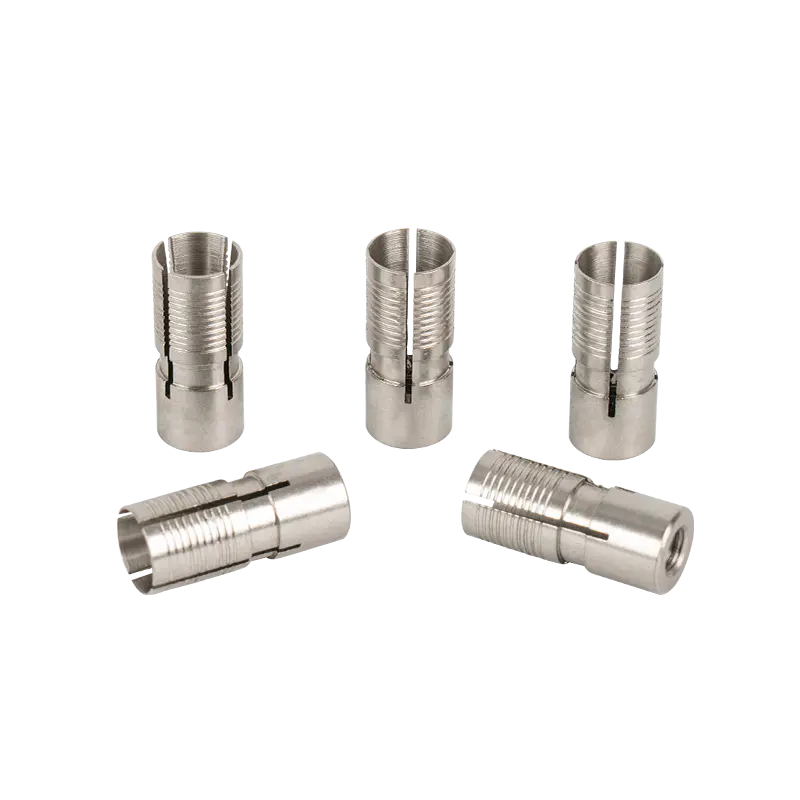
Strike Anchors are specialized fasteners designed to provide superior stability and load-bearing capacity in construction applications. In earthquake-prone regions, their role becomes crucial, as they help buildings, bridges, and critical infrastructure withstand seismic forces. Unlike traditional anchors, Strike Anchors are engineered to resist both vertical and lateral movements, reducing structural damage during tremors.
Key Applications of Strike Anchors in Earthquake-Prone Areas
1. Structural Reinforcement of Buildings
In regions with high seismic activity, the integrity of structural connections determines a building's ability to survive an earthquake. Strike Anchors are commonly used to secure load-bearing beams, columns, and walls. Their robust design ensures that connections remain intact, even when subjected to strong lateral forces.
- Used in retrofitting older buildings to meet modern earthquake safety standards.
- Provides enhanced shear strength for reinforced concrete and steel structures.
- Reduces the risk of catastrophic structural failure.
2. Securing Bridges and Overpasses
Bridges are particularly vulnerable during seismic events due to their elongated structures and dynamic load responses. Strike Anchors play a critical role in anchoring bridge decks, expansion joints, and support piers. By maintaining tight connections, they minimize movement and prevent partial or total collapse.
- Prevents displacement of bridge segments during tremors.
- Supports high tensile loads from dynamic traffic and seismic forces.
- Works effectively with concrete and steel composite designs.
3. Industrial and Infrastructure Applications
Beyond residential and commercial buildings, Strike Anchors are widely used in industrial facilities and essential infrastructure, such as power plants, water treatment facilities, and communication towers. These anchors ensure that heavy machinery and critical systems remain securely anchored, preventing operational failures and potential hazards during an earthquake.
Advantages of Using Strike Anchors in Seismic Zones
- Enhanced Load Resistance: Designed to handle both shear and tensile loads effectively.
- Durability: Made from high-strength steel or corrosion-resistant alloys suitable for long-term performance.
- Easy Installation: Can be installed quickly with minimal disruption to existing structures.
- Versatility: Compatible with a wide range of building materials, including concrete, steel, and masonry.
- Retrofit Capability: Ideal for upgrading older buildings to modern earthquake-resistant standards.
Material and Structural Considerations
Strike Anchors are typically manufactured from high-strength alloy steel with optional corrosion-resistant coatings. Some models feature a combination of hardened steel with epoxy or zinc plating to enhance longevity in challenging environmental conditions. Their structural design often includes a wedge-shaped expansion mechanism or serrated gripping surfaces, ensuring a secure hold in concrete or masonry substrates.
Installation Tips for Earthquake Safety
- Ensure proper drilling depth and hole diameter according to manufacturer specifications.
- Clean drilled holes thoroughly to remove dust and debris for optimal grip.
- Use calibrated torque tools to tighten anchors to recommended levels.
- Regularly inspect installed anchors for corrosion or loosening, especially in high-risk seismic zones.
- Consider professional consultation for retrofitting historical or high-rise structures.
Frequently Asked Questions (FAQs)
Q1: Can Strike Anchors be used in both new and existing structures?
Yes, Strike Anchors are highly versatile and suitable for both new construction projects and retrofitting existing buildings to improve earthquake resistance.
Q2: How do Strike Anchors compare with traditional expansion bolts in seismic zones?
Compared to expansion bolts, Strike Anchors provide higher load-bearing capacity and better resistance to lateral and dynamic forces, making them more reliable in earthquake-prone areas.
Q3: What materials are compatible with Strike Anchors?
They are compatible with concrete, reinforced concrete, masonry, steel, and composite materials, offering broad applicability across construction types.
Q4: Do Strike Anchors require maintenance after installation?
Periodic inspection is recommended, especially in areas prone to high seismic activity or corrosion. Anchors may need retightening or replacement over long-term use to ensure maximum safety.
Q5: Are there international standards governing the use of Strike Anchors?
Yes, most Strike Anchors comply with international building codes and standards, such as ASTM, ISO, and local seismic design regulations, ensuring certified performance under earthquake loads.
Conclusion
In earthquake-prone regions, the choice of anchoring systems can determine the safety and resilience of structures. Strike Anchors offer superior performance compared to conventional fasteners, providing enhanced load-bearing capacity, seismic resistance, and long-term durability. Their versatility in applications—from buildings and bridges to industrial infrastructure—makes them an essential component in modern earthquake-resistant construction. By understanding their advantages, proper installation methods, and maintenance requirements, engineers and builders can significantly reduce structural risks and improve public safety during seismic events.

 English
 日本語
日本語