Introduction to Strike Anchors
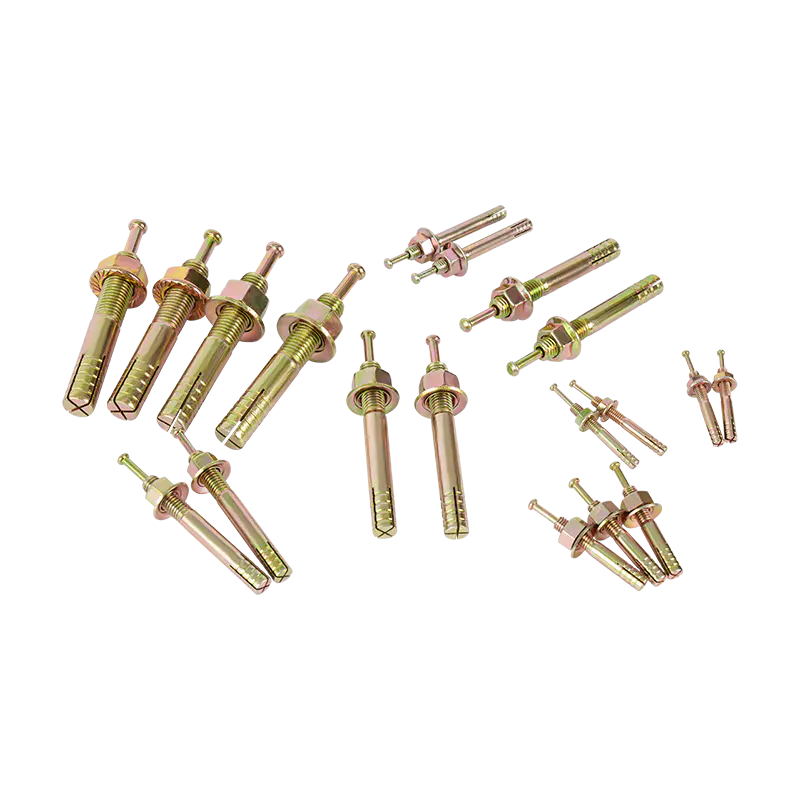
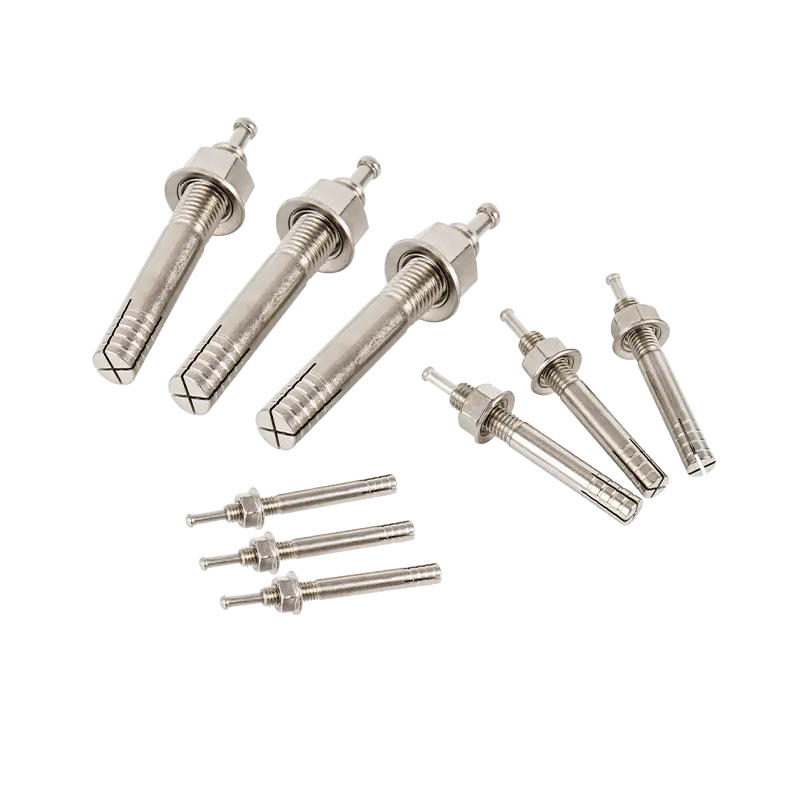
Strike Anchors are essential fasteners widely used in construction, especially for securing heavy fixtures and equipment to concrete structures. Known for their strength and reliability, these anchors provide a stable solution in applications where safety and durability are critical. Installing Strike Anchors correctly is crucial for maximizing their holding power and ensuring long-term performance.
Understanding Pre-Drilled Concrete Holes
Pre-drilled concrete holes are created using specialized drills to match the diameter of the Strike Anchors. The precision of these holes is vital because improper sizing can lead to reduced anchor strength, instability, or even failure under load.
- Ensure the hole diameter matches the anchor manufacturer's specifications.
- Check the hole depth; a too shallow or too deep hole can compromise anchor performance.
- Clean the hole from dust and debris using a brush or compressed air.
Step-by-Step Installation of Strike Anchors
1. Select the Right Anchor Type
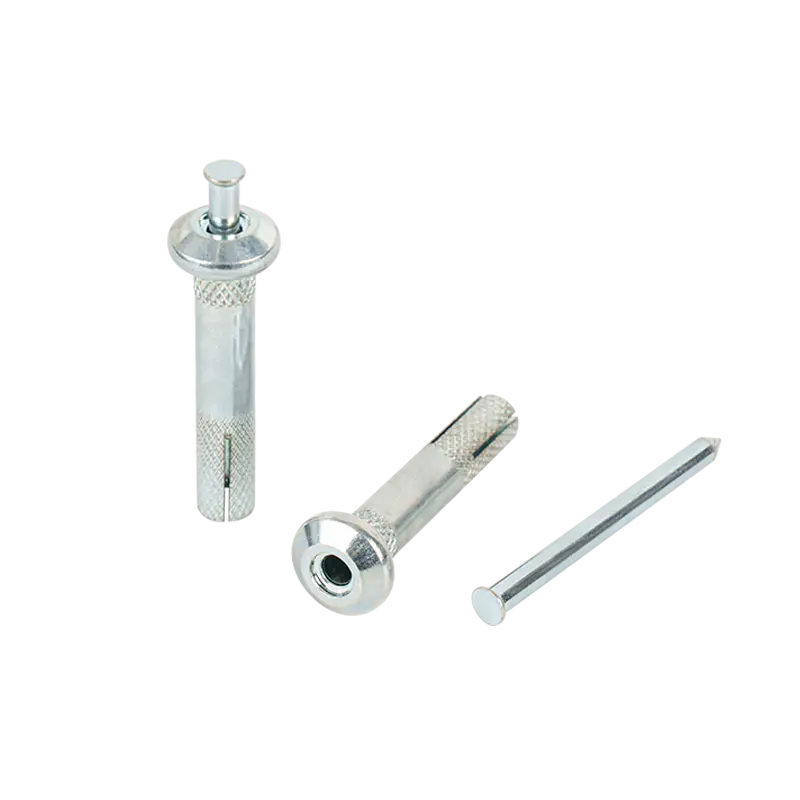
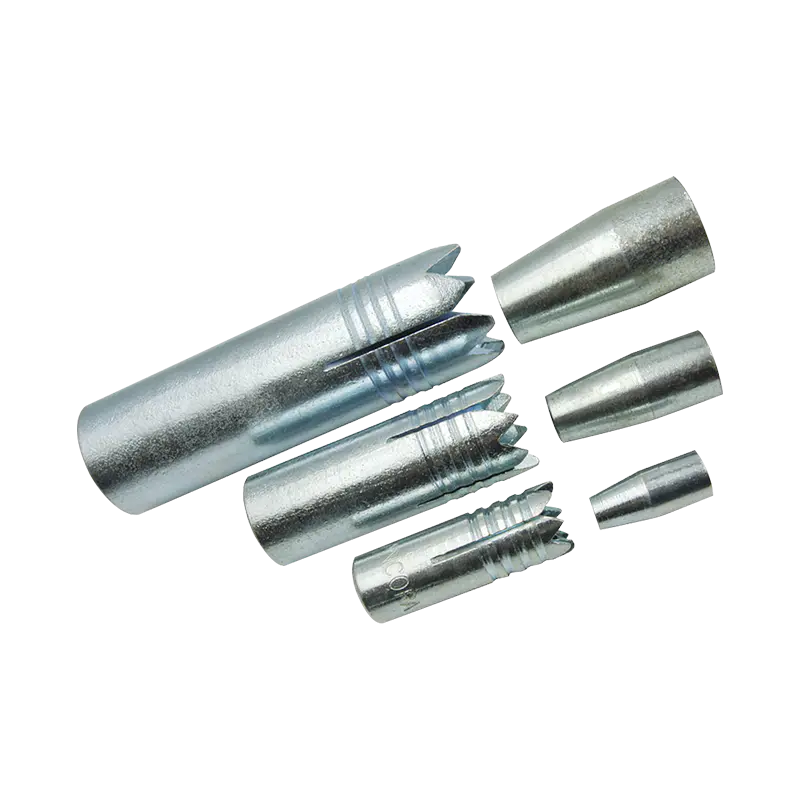
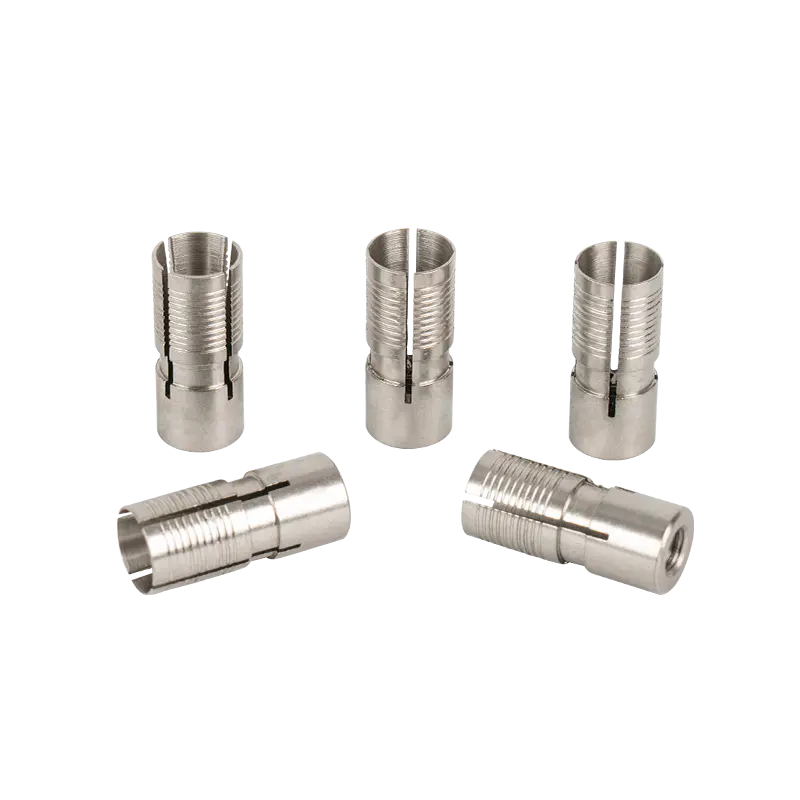
Strike Anchors come in various types, including wedge anchors, sleeve anchors, and drop-in anchors. Selecting the correct type depends on the load requirements, environmental conditions, and the type of fixture being mounted.
2. Prepare the Pre-Drilled Hole
Before installation, ensure the hole is clean and free of dust. Concrete dust can reduce friction between the anchor and the concrete wall, lowering its holding power. Use a wire brush or compressed air to clean the hole thoroughly.
3. Insert the Anchor
Gently tap the Strike Anchor into the pre-drilled hole using a hammer. Ensure the anchor is flush with the surface and correctly aligned with the fixture. Avoid striking too hard, which may damage the anchor or the concrete surface.
4. Tighten the Fixture
Attach the fixture over the anchor and tighten the nut to the manufacturer-recommended torque. Over-tightening may crack the concrete, while under-tightening may reduce holding strength.
5. Verify Installation
After installation, check that the anchor is secure. Apply a light test load if possible to ensure stability. Proper installation should result in no noticeable movement under normal operational conditions.
Comparison with Other Concrete Fasteners
Compared to other fastening solutions such as expansion bolts or chemical anchors, Strike Anchors offer several advantages:
- Strength: Strike Anchors can handle higher load capacities.
- Ease of Installation: They can be installed quickly without complex chemicals or adhesives.
- Durability: Designed for long-term performance in both indoor and outdoor environments.
However, chemical anchors may be preferable in highly corrosive environments or when maximum holding power is required in cracked concrete. Expansion bolts are suitable for lighter loads but do not offer the same robustness as Strike Anchors.
Common Mistakes to Avoid During Installation
- Using an incorrectly sized hole that is too large or too small for the anchor.
- Failing to clean the hole, resulting in reduced friction and holding power.
- Over-tightening or under-tightening the anchor, leading to concrete damage or unstable fixtures.
- Ignoring manufacturer guidelines regarding torque specifications and load capacity.
Maintenance and Inspection Tips
After installation, regular inspection of Strike Anchors is recommended to ensure ongoing safety:
- Check for signs of loosening or corrosion.
- Ensure that the fixture remains securely attached.
- Retighten nuts and bolts if necessary, following the recommended torque.
Frequently Asked Questions (FAQ)
Q1: Can Strike Anchors be reused once removed?
Generally, it is not recommended to reuse Strike Anchors. Once an anchor has been installed and removed, its structural integrity and holding capacity may be compromised.
Q2: Are Strike Anchors suitable for all types of concrete?
While Strike Anchors work in most standard concrete, very soft or damaged concrete may not provide sufficient holding power. Always evaluate the concrete condition before installation.
Q3: What is the difference between wedge anchors and sleeve anchors?
Wedge anchors expand at the base when tightened, providing strong holding power in solid concrete. Sleeve anchors use a sleeve that expands along the sides of the anchor to create friction. Both are types of Strike Anchors, but wedge anchors are generally preferred for heavier loads.
Q4: How do I ensure proper torque during installation?
Use a calibrated torque wrench and follow the manufacturer’s recommended torque settings. Over-tightening can crack the concrete, while under-tightening can result in loose fixtures.
Effective installation of Strike Anchors in pre-drilled concrete holes requires careful attention to detail. By selecting the correct anchor type, preparing the hole properly, and following recommended installation procedures, you can ensure a secure and durable connection. Regular inspection and maintenance further enhance the safety and longevity of these essential fasteners.

 English
 日本語
日本語