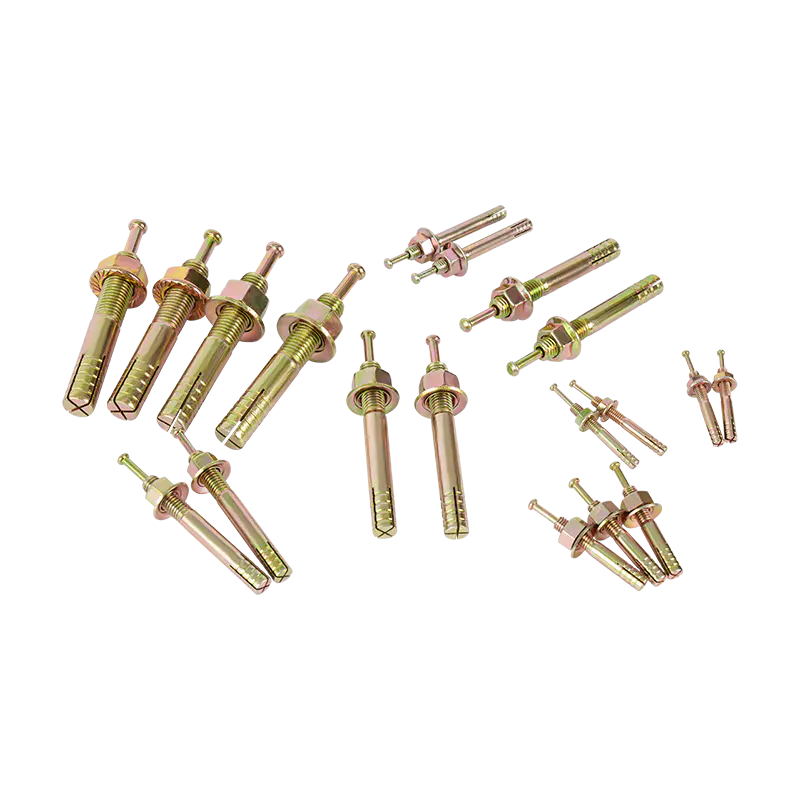
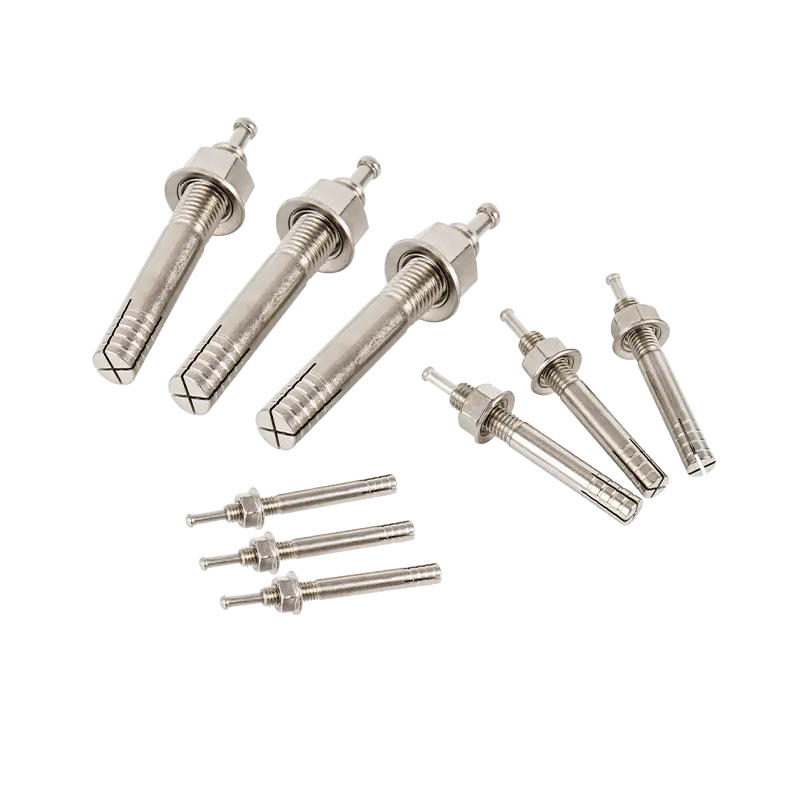
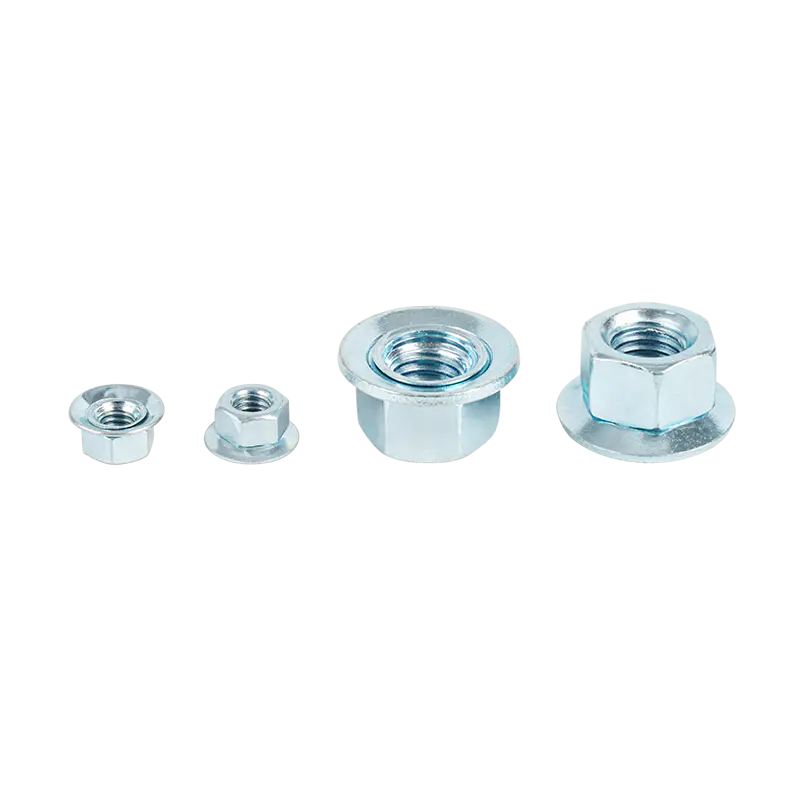
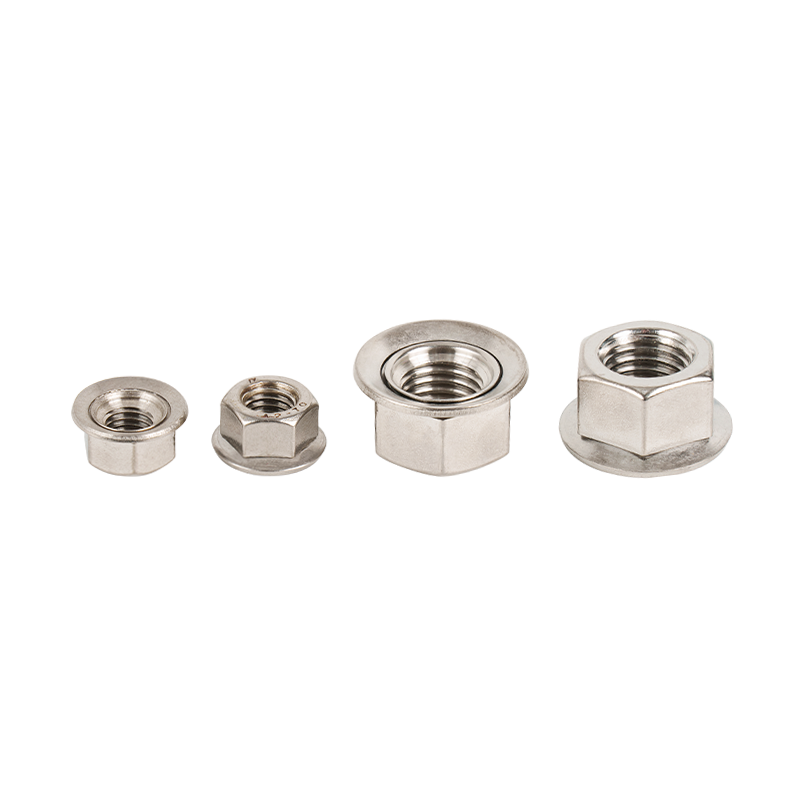
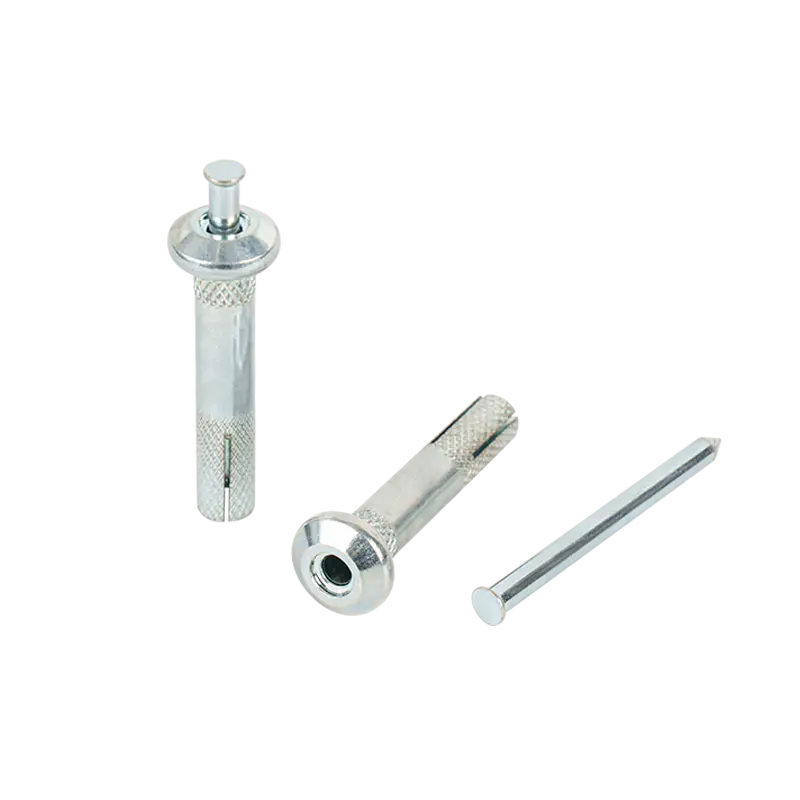
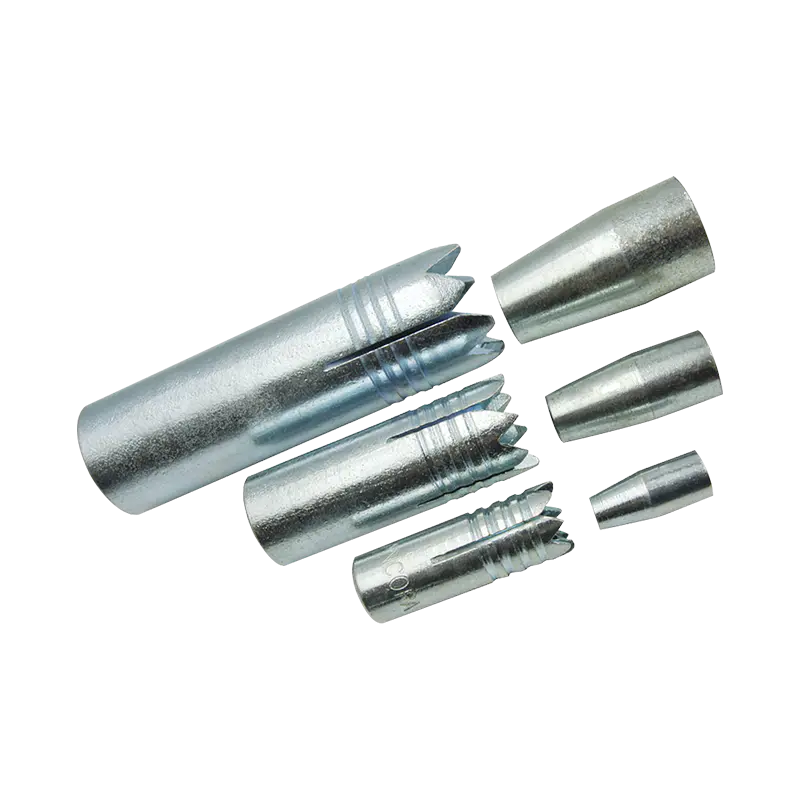
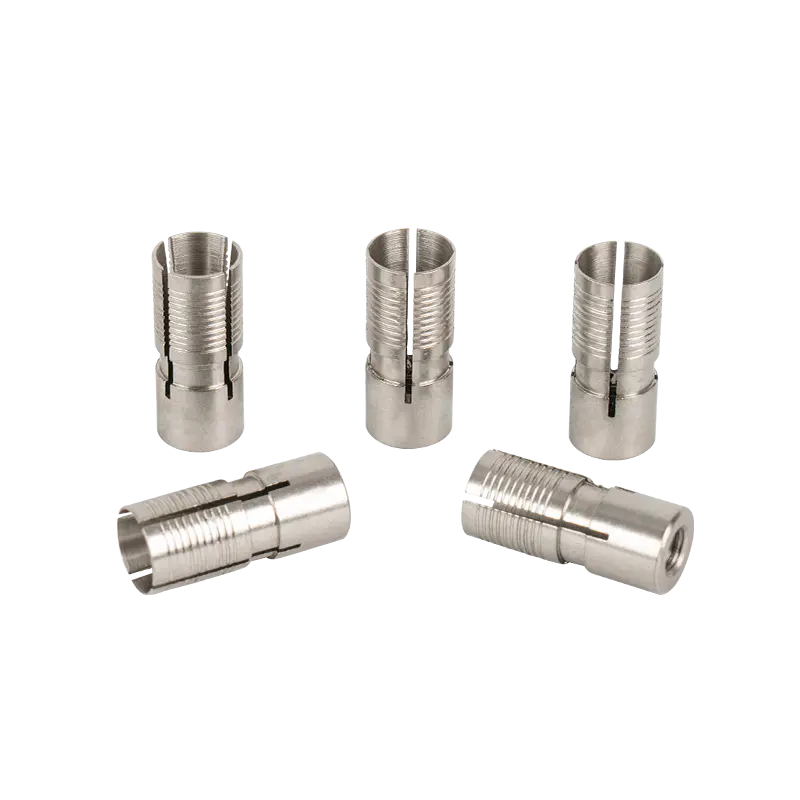
Strike Anchors have revolutionized the construction and concrete installation industry by offering a faster, more reliable, and efficient method for securing fixtures to concrete surfaces. Unlike traditional anchor systems that often require drilling, measuring, and complex installation steps, strike anchors are designed for simplicity and durability, making them an ideal choice for both professionals and DIY enthusiasts.
What Are Strike Anchors?
Strike anchors are pre-engineered mechanical anchors designed to be driven directly into concrete, masonry, or other solid materials using a hammer or similar tool. Once installed, they provide a secure and stable attachment point for a variety of structural and non-structural applications. They are particularly popular for:
- Mounting fixtures like railings, shelves, or heavy equipment
- Securing electrical boxes and plumbing elements
- Fastening industrial machinery to concrete floors
- Providing a reliable anchor point for temporary or permanent installations
Key Advantages of Using Strike Anchors
Compared to conventional anchoring systems, strike anchors offer several benefits that simplify the concrete installation process:
- Speed: Strike anchors can be installed quickly without pre-drilling, significantly reducing labor time.
- Ease of Use: Minimal tools are required; a hammer and a standard setting tool are often sufficient.
- Consistent Performance: Strike anchors provide uniform holding power and reduce the risk of improper installation.
- Versatility: They are compatible with different concrete densities and can be used in tight or hard-to-reach spaces.
- Reduced Damage: By eliminating the need for extensive drilling, strike anchors minimize concrete cracking and surface damage.
Comparing Strike Anchors With Traditional Anchoring Methods
Understanding how strike anchors differ from traditional anchoring solutions can help illustrate their advantages:
1. Traditional Expansion Anchors
Expansion anchors rely on pre-drilled holes and often require precise measurements and alignment. While they offer strong holding power, they can be time-consuming and are prone to errors if not installed correctly.
2. Epoxy or Chemical Anchors
Chemical anchors involve mixing and applying epoxy resin before inserting the anchor. Although highly secure, this method requires curing time, careful handling of chemicals, and additional equipment. Improper curing can compromise the anchor’s strength.
3. Strike Anchors
Strike anchors eliminate many of the drawbacks of traditional systems. With strike anchors:
- No pre-drilling is required in many cases, saving time and effort.
- Installation can be completed in seconds rather than hours.
- They offer consistent holding strength without reliance on curing or chemical bonding.
- Errors due to misalignment or improper drilling are minimized.
The combination of speed, reliability, and reduced labor makes strike anchors a superior option for a wide range of concrete applications.
Applications of Strike Anchors in Construction
Strike anchors are widely used in commercial, industrial, and residential construction projects. Typical applications include:
- Concrete Floors: Installing machinery, shelving, or safety barriers.
- Concrete Walls: Mounting signs, brackets, or handrails.
- Outdoor Installations: Securing fences, guardrails, or exterior fixtures.
- Temporary Fixtures: Quick setups for events, construction scaffolding, or modular structures.
Installation Process Made Simple
The process of using strike anchors is designed for simplicity:
- Position the Anchor: Place the strike anchor at the desired location on the concrete surface.
- Strike With a Hammer: Drive the anchor into the concrete using a hammer. The design allows the anchor to expand and lock in place automatically.
- Secure the Fixture: Attach the fixture or equipment using the anchor's integrated threading or fastening point.
Compared to traditional methods, this process requires fewer tools, less time, and minimal technical skill, reducing labor costs and project delays.
Materials and Durability
Strike anchors are typically made from high-strength steel, zinc-coated metal, or stainless steel, ensuring long-term durability even in harsh environments. Key characteristics include:
- Resistance to corrosion and rust
- High tensile and shear strength
- Compatibility with a range of concrete densities
- Reliability for both light and heavy-duty applications
Frequently Asked Questions (FAQ)
1. Can strike anchors be used in reinforced concrete?
Yes, many strike anchors are engineered to penetrate lightly reinforced concrete without damaging the rebar. Always check the manufacturer's specifications for maximum reinforcement capacity.
2. How do strike anchors compare in holding strength to traditional anchors?
Strike anchors offer comparable holding strength for most standard applications. While heavy-duty expansion or chemical anchors may provide slightly higher maximum loads, strike anchors balance strength with speed and ease of installation.
3. Are strike anchors reusable?
Typically, strike anchors are single-use due to their expansion design. Removing them may damage the concrete, but for temporary installations, alternative reusable anchors are available.
4. What sizes and types are available?
Strike anchors come in various lengths, diameters, and load ratings. They are designed for specific applications, from light-duty fixtures to heavy machinery anchoring. Consulting a product catalog ensures the correct type for each project.
5. Can they be installed outdoors?
Yes, especially stainless steel or corrosion-resistant strike anchors are ideal for outdoor environments, offering reliable performance in weather-exposed conditions.
Conclusion
Strike anchors simplify the concrete installation process by offering a faster, safer, and more efficient alternative to traditional anchoring methods. Their ease of use, versatility, and reliability make them a preferred choice across various construction and industrial applications. By reducing installation time, minimizing errors, and maintaining strong holding power, strike anchors improve project efficiency and lower overall labor costs. For anyone looking to streamline concrete installations without compromising safety or performance, strike anchors represent a smart and effective solution.

 English
 日本語
日本語