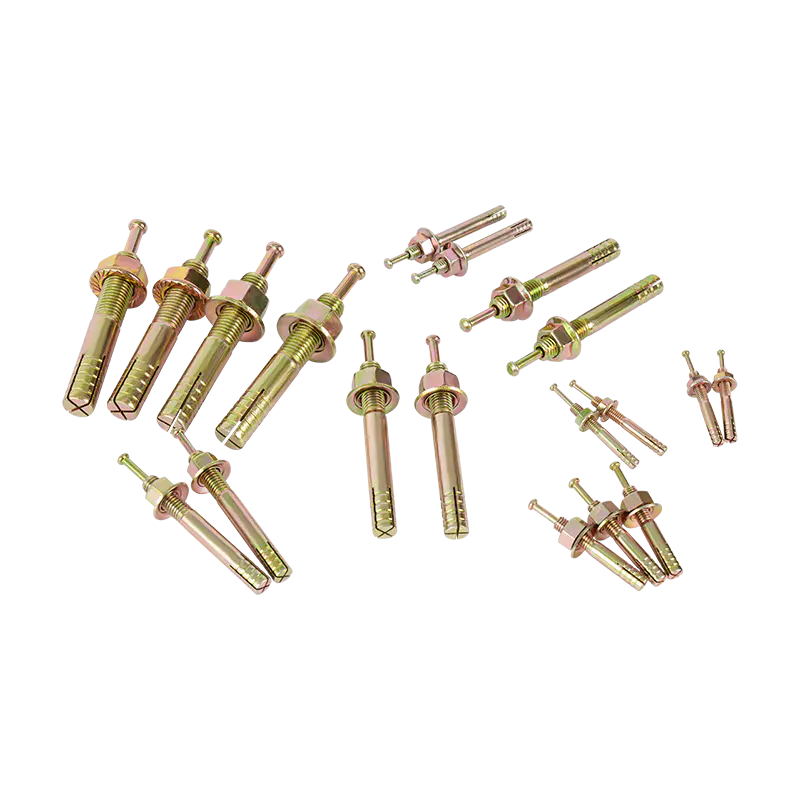
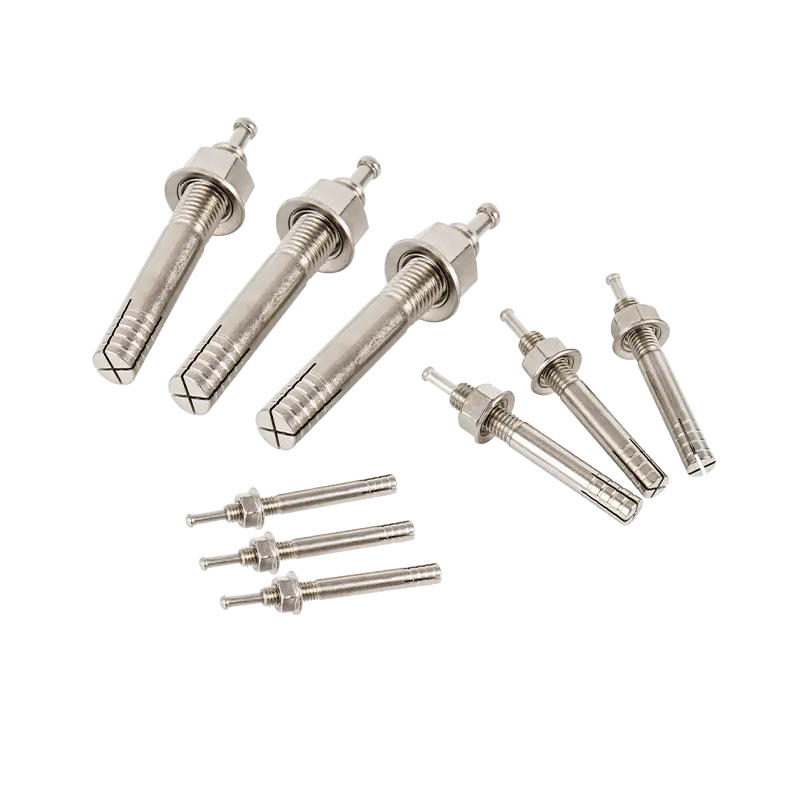
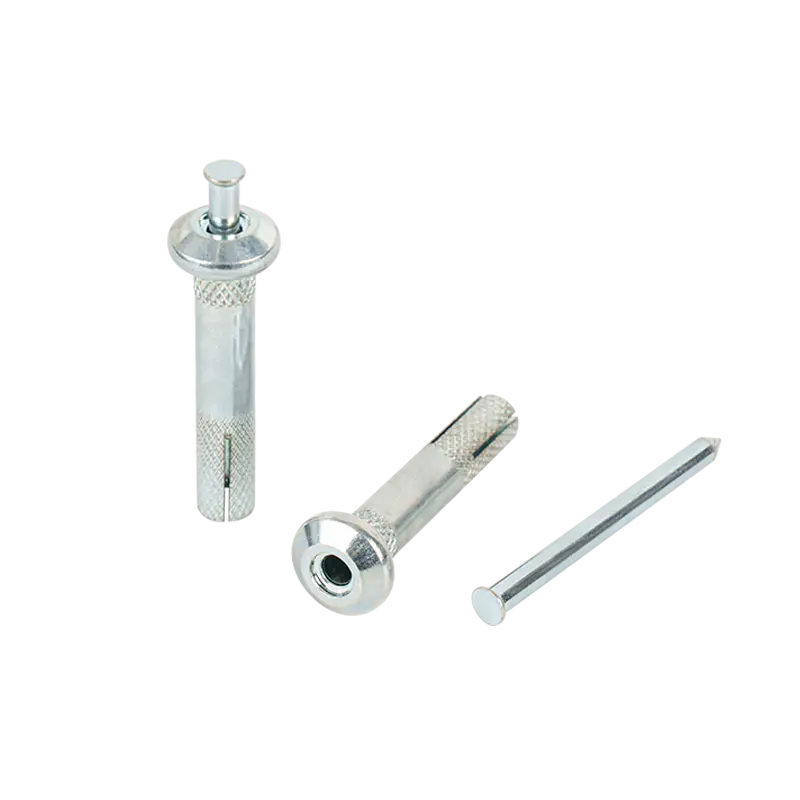
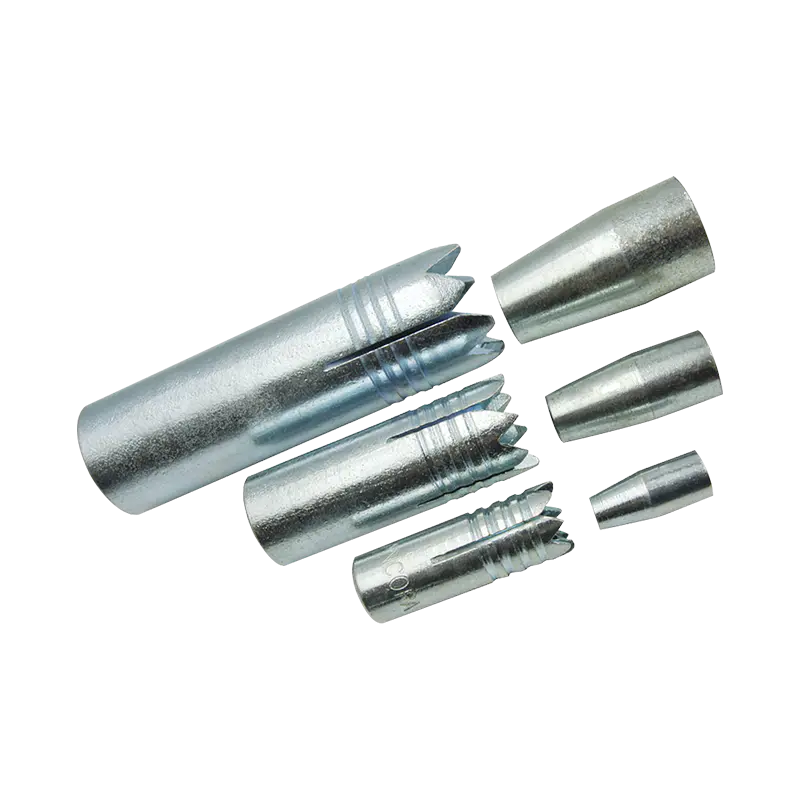
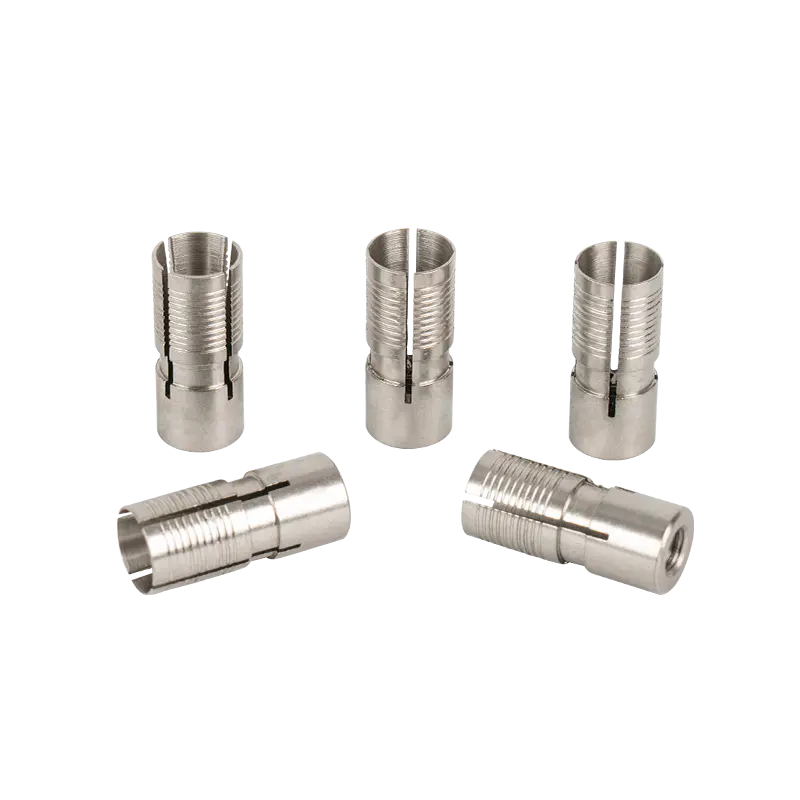
Strike Anchors have become increasingly popular in modern construction due to their reliability, efficiency, and versatility. These anchoring systems are designed to provide secure connections in a wide range of materials, including concrete, masonry, and steel structures. Understanding the advantages of Strike Anchors can help construction professionals optimize their projects and ensure long-term structural integrity.
Enhanced Load-Bearing Capacity
One of the most significant benefits of Strike Anchors is their superior load-bearing capacity. Unlike traditional fastening methods such as bolts or screws, Strike Anchors distribute the applied load over a larger surface area, reducing the risk of material failure. This makes them ideal for applications where high-strength support is critical, including heavy machinery installation, structural beams, and façade attachments.
Comparison with Traditional Anchors
- Standard Bolts: Typically have limited load distribution and may require additional reinforcement.
- Expansion Anchors: Suitable for medium loads but may fail under dynamic or impact stresses.
- Strike Anchors: Offer higher load resistance, enhanced durability, and are suitable for both static and dynamic loads.
Quick and Efficient Installation
Strike Anchors are designed for fast and precise installation. Their innovative design allows construction workers to secure fixtures without the need for extensive pre-drilling or complex tools. This efficiency translates into reduced labor costs and shorter project timelines, making them highly attractive for commercial and industrial construction projects.
Step-by-Step Installation Benefits
- Minimal drilling required, saving time and reducing material damage.
- Self-aligning features ensure correct placement even in uneven surfaces.
- Consistent performance across multiple installations, reducing human error.
Versatility Across Materials
Another key advantage of Strike Anchors is their adaptability. They can be used effectively in concrete, brick, block, and even steel, providing reliable fastening solutions across diverse construction materials. This versatility eliminates the need for multiple types of anchors, simplifying inventory management and procurement.
Applications in Different Structures
- Residential Buildings: Securing heavy shelves, cabinetry, or structural reinforcements.
- Commercial Buildings: Supporting HVAC units, signage, or steel frameworks.
- Industrial Sites: Anchoring machinery, pipelines, and storage systems requiring high stability.
Durability and Corrosion Resistance
Strike Anchors are often manufactured using high-grade steel with protective coatings, providing excellent corrosion resistance and long-lasting durability. This ensures that anchored structures maintain their integrity over time, even in harsh environmental conditions, such as high humidity, coastal areas, or industrial settings with exposure to chemicals.
Comparing Durability
- Standard Screws: Susceptible to rust and weakening over time.
- Plastic Anchors: Limited load capacity and can degrade under UV exposure or high temperatures.
- Strike Anchors: High tensile strength, corrosion-resistant coatings, and long-term performance in demanding conditions.
Cost-Effectiveness Over Time
While the initial investment in Strike Anchors may be slightly higher than standard fasteners, their long-term benefits result in overall cost savings. Reduced maintenance, fewer failures, and lower labor costs during installation contribute to a more economical solution for large-scale projects. Additionally, the ability to reuse certain types of Strike Anchors in temporary constructions further enhances their cost efficiency.
Safety and Compliance
Safety is a critical concern in construction, and Strike Anchors offer enhanced security for both workers and end-users. Their strong hold reduces the likelihood of structural failures, accidents, or detachment of mounted equipment. Many Strike Anchors are also tested and certified to meet international safety standards, ensuring compliance with local building codes and regulations.
Key Safety Features
- High tensile strength reduces risk of anchor pull-out.
- Shock and vibration resistance maintain stability under dynamic loads.
- Consistent performance ensures predictable safety margins across all applications.
Frequently Asked Questions About Strike Anchors
1. Can Strike Anchors be used in outdoor environments?
Yes, many Strike Anchors are designed with corrosion-resistant coatings, making them suitable for outdoor use, including exposure to rain, humidity, and salty air near coastal regions.
2. Are Strike Anchors reusable?
Certain types of Strike Anchors can be removed and reused in temporary installations, though it depends on the specific anchor design and material it is fastened into.
3. How do Strike Anchors compare in cost to traditional anchors?
While the upfront cost may be higher, Strike Anchors reduce installation time, maintenance, and failure risks, resulting in overall cost-effectiveness over the lifespan of a project.
4. What materials are Strike Anchors compatible with?
They can be used in concrete, brick, block, and steel structures, offering versatility that reduces the need for multiple anchor types on a single project.
5. Are Strike Anchors compliant with building codes?
Most Strike Anchors meet international safety and building standards. Always check for specific certifications relevant to your local regulations before use.
Conclusion
Strike Anchors offer a combination of strength, versatility, efficiency, and safety that makes them a superior choice for modern construction projects. From residential to industrial applications, these anchors enhance load-bearing capacity, simplify installation, and reduce long-term costs. Their durability and compliance with safety standards further reinforce their value as a reliable anchoring solution. For construction professionals seeking high-performance fastening options, Strike Anchors represent a strategic investment in both quality and efficiency.

 English
 日本語
日本語