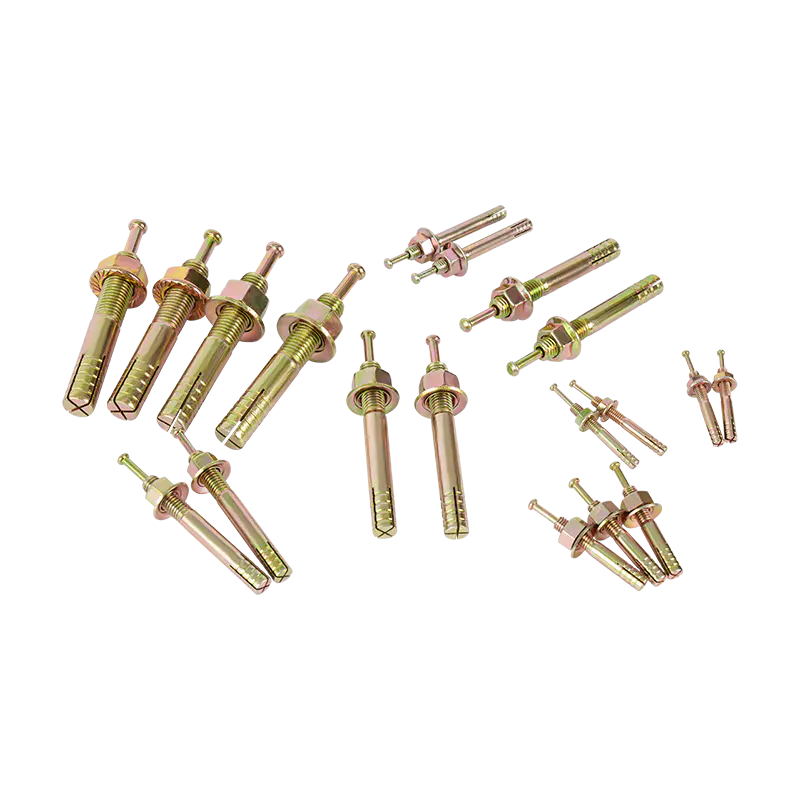
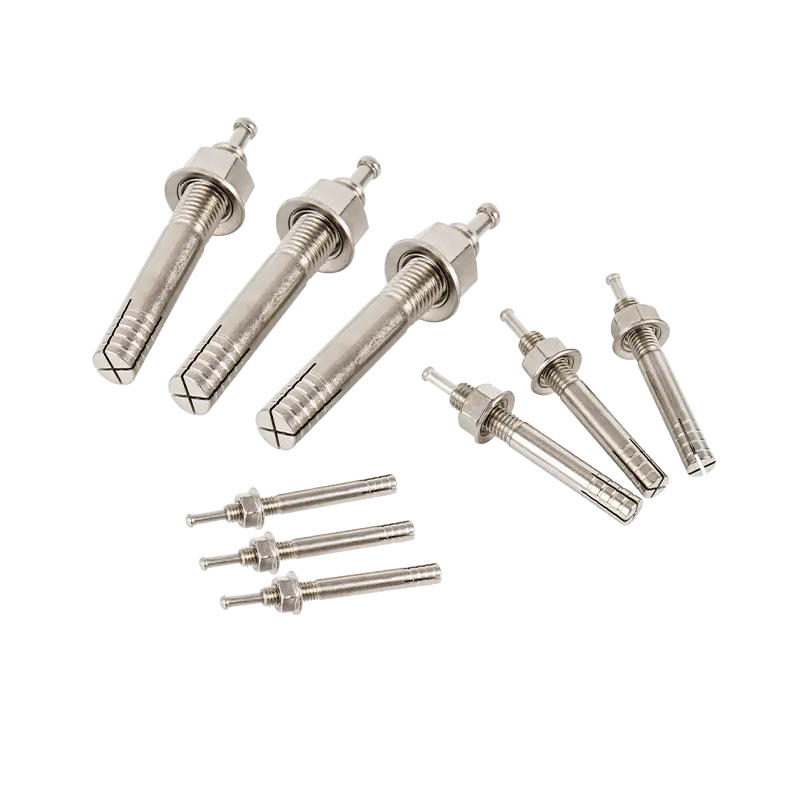
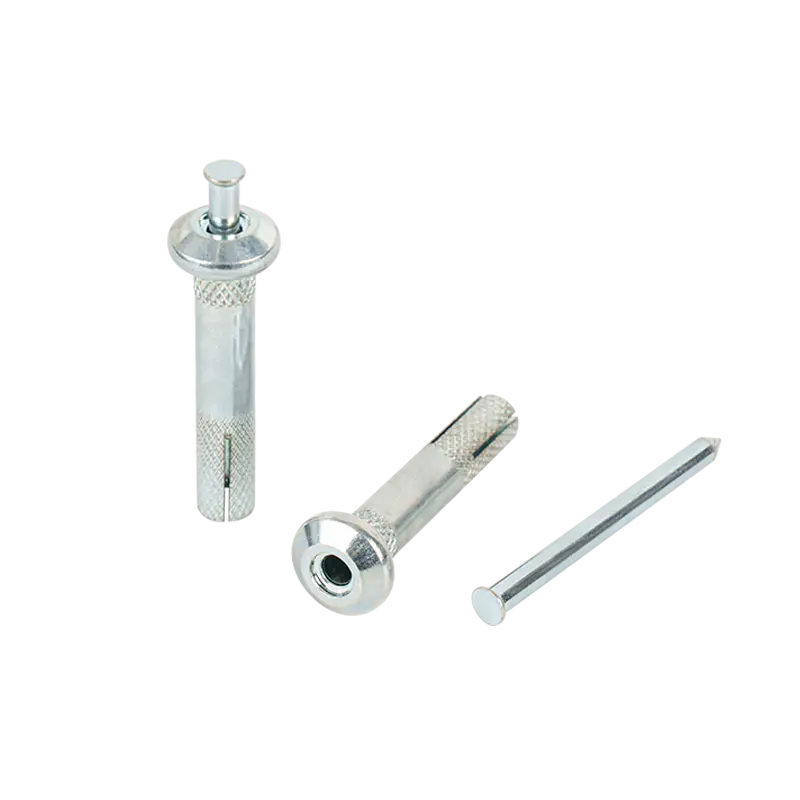
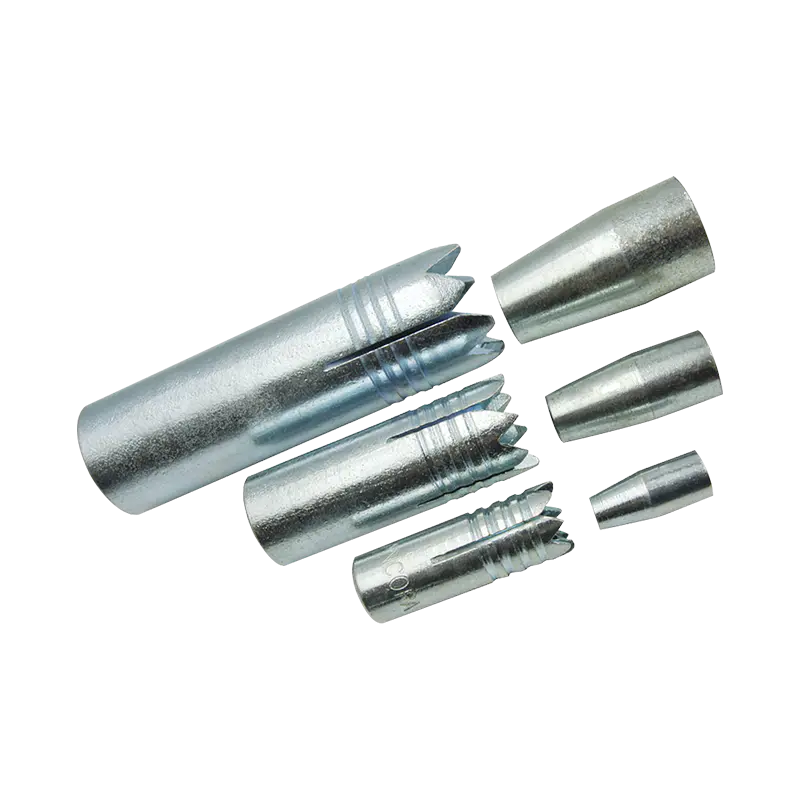
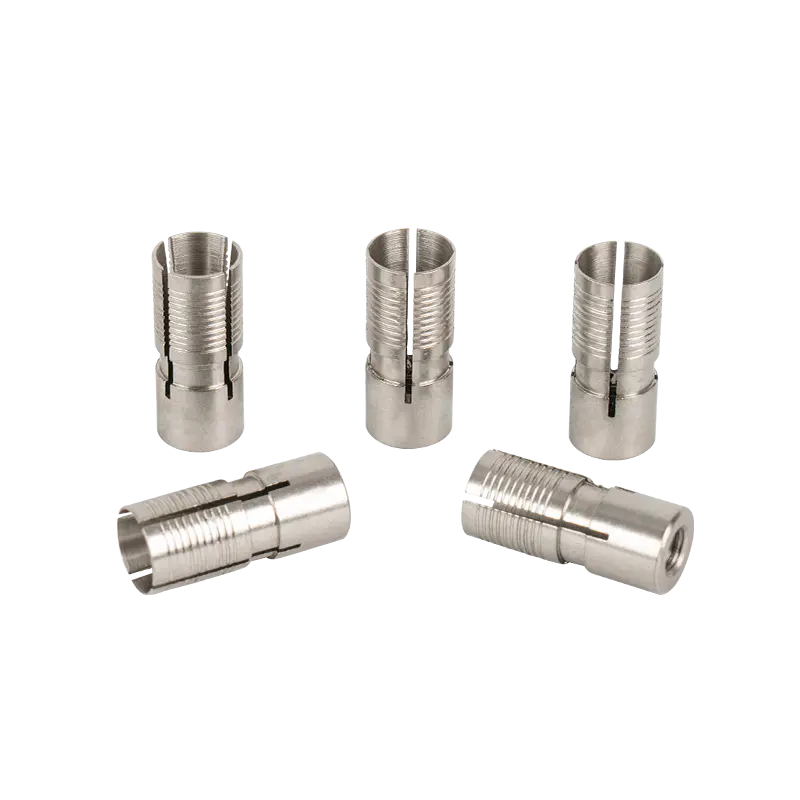
Strike anchor installation failures primarily stem from improper hole preparation, incorrect substrate selection, and over-driving the impact pin, leading to insufficient expansion or material fatigue. To ensure structural integrity, professional remediation requires epoxy injection reinforcement, hole resizing, or the transition to heavy-duty mechanical anchors that compensate for compromised base materials.
Identifying the Root Causes of Strike Anchor Failure
Inadequate hole cleaning is the most frequent cause of premature anchor loosening because residual dust prevents the expansion sleeve from gripping the concrete walls effectively. When a hole is drilled, fine masonry powder acts as a lubricant. If not removed via a "blow-brush-blow" cycle, the strike anchor cannot generate the friction required to meet its specified tension load.
Improper Hole Depth and Diameter
Mismatched drill bit sizes result in an oversized hole where the sleeve cannot expand enough to contact the substrate, rendering the anchor useless. For instance, using a slightly worn 1/2-inch bit might create a hole too narrow for the sleeve, while a brand-new bit used in soft concrete might vibrate and create an elliptical hole. Hole depth is equally critical; if the hole is too shallow, the pin cannot be fully driven, leaving the fixture loose.
Substrate Material Incompatibility
Low-strength or cracked concrete significantly reduces the load-bearing capacity of strike anchors, often leading to "pull-out" failure under minimal stress. Strike anchors are designed for solid masonry and uncracked concrete. If installed in hollow brick or aerated concrete blocks, the expansion force may shatter the internal walls of the material rather than securing the fastener.
Technical Comparison: Successful vs. Failed Installations
Analyzing the technical differences between a standardized installation and a failed one helps in selecting the right remediation method.
| Parameter |
Standard Installation |
Failure Scenario |
| Friction Coefficient |
High (Clean Walls) |
Low (Dusty/Debris) |
| Expansion Ratio |
100% Engagement |
Partial/No Expansion |
| Pin Alignment |
Straight/Flush |
Bent or Recessed |
| Load Distribution |
Uniform Radial Pressure |
Point Loading / Cracking |
Comparison of mechanical performance between correct and incorrect strike anchor setups.
Proven Remediation and Reinforcement Methods
Chemical anchoring reinforcement is the most reliable way to salvage a failed strike anchor location by filling the void with high-strength structural resin. If a strike anchor has pulled out or loosened, the original hole is usually compromised. Simply replacing it with a new mechanical anchor of the same size will likely fail again.
Step 1: Hole Over-Drilling and Cleaning
Increasing the hole diameter by 2mm to 4mm allows for the removal of damaged concrete and creates space for reinforcement materials. After over-drilling, it is mandatory to use compressed air to remove every trace of dust. In structural reinforcement projects, the cleanliness of the hole determines 90% of the bond strength.
Step 2: Injecting Structural Epoxy
Injecting two-part epoxy resin into the cavity creates a chemical bond that is often stronger than the surrounding concrete. Once the hole is prepared, the resin is injected from the bottom up to prevent air pockets. A new threaded rod or a specialized heavy-duty anchor is then inserted. This method is highly effective for rehabilitating failed anchor points in vibration-heavy environments.
Advanced Troubleshooting for Large-Scale Projects
On-site tension testing is essential for identifying systemic installation failures across large industrial job sites. If more than 5% of installed anchors fail a proof-load test, the installation protocol must be audited.
- Verify Drill Bit Tolerance: Ensure bits meet ANSI or DIN standards to prevent oversized holes.
- Substrate Hardness Check: Use a Schmidt hammer to test if the concrete PSI meets the anchor load requirements.
- Edge Distance Compliance: Anchors placed too close to the edge of a slab cause "blow-outs." Reinforcement involves moving the anchor point or using carbon fiber wraps.
Comparative Analysis: Strike Anchors vs. Wedge Anchors
Wedge anchors offer higher adjustability and tension capacity compared to strike anchors, making them the preferred choice for heavy-duty reinforcement. While strike anchors are valued for their high-speed installation, wedge anchors allow for precise torque control, which is vital when the substrate is of questionable quality.
| Feature |
Strike Anchor |
Wedge Anchor |
| Activation Method |
Impact (Hammer) |
Torque (Wrench) |
| Visual Confirmation |
Pin position |
Torque value |
| Removability |
Difficult/Permanent |
Moderate |
Efficiency and load capability comparison for selection and remediation planning.
Frequently Asked Questions (FAQ)
Q: Can I reuse a hole if a strike anchor fails?
A: No. A failed installation usually compromises the concrete's internal structure. You must either use a larger diameter anchor or fill the hole with structural epoxy before re-drilling.
Q: Why does my strike anchor spin in the hole?
A: This usually happens because the drill bit was oversized or the hole was not cleaned. The sleeve cannot gain the initial "bite" needed to expand when the pin is struck.
Q: How do I know if the anchor is fully set?
A: A strike anchor is correctly set when the drive pin is flush with the top of the anchor body. If the pin stops moving before it is flush, the hole is likely too shallow or filled with debris.
Conclusion: Ensuring Long-Term Stability
Preventative maintenance and strict adherence to installation depth specifications are the best ways to avoid strike anchor failure. By understanding the mechanical limitations of the substrate and utilizing chemical reinforcement when failures occur, engineers and contractors can maintain the safety and longevity of their concrete fastenings. Always prioritize substrate testing and correct tool selection to eliminate the risks of structural detachment.

 English
 日本語
日本語