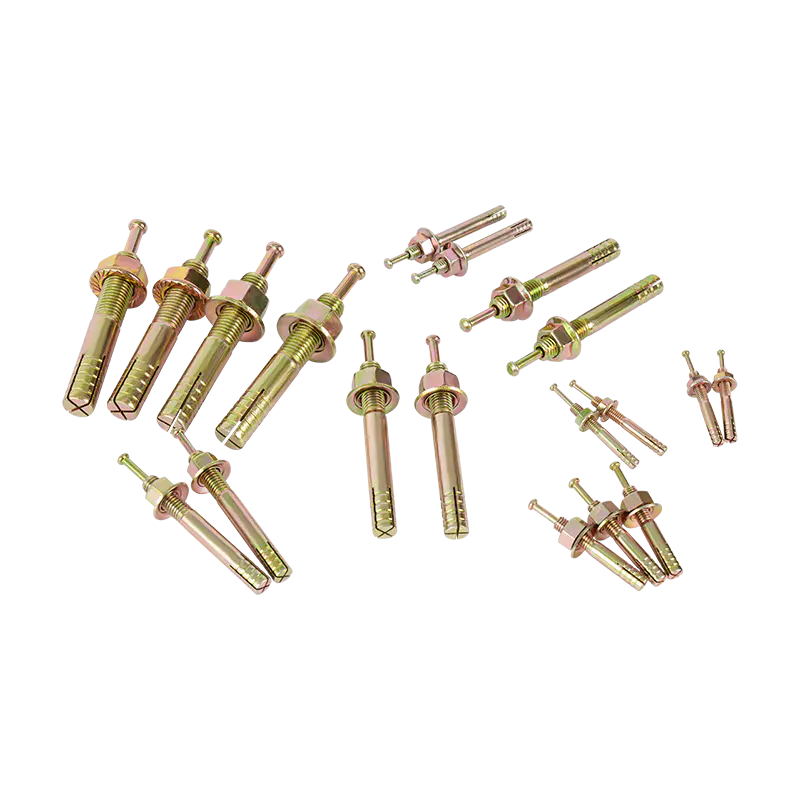
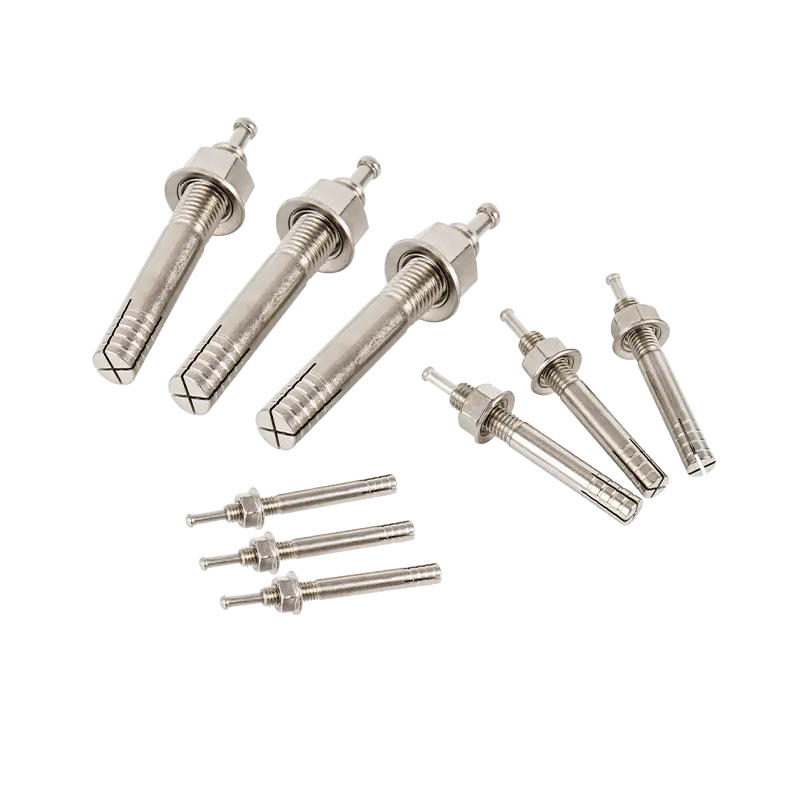
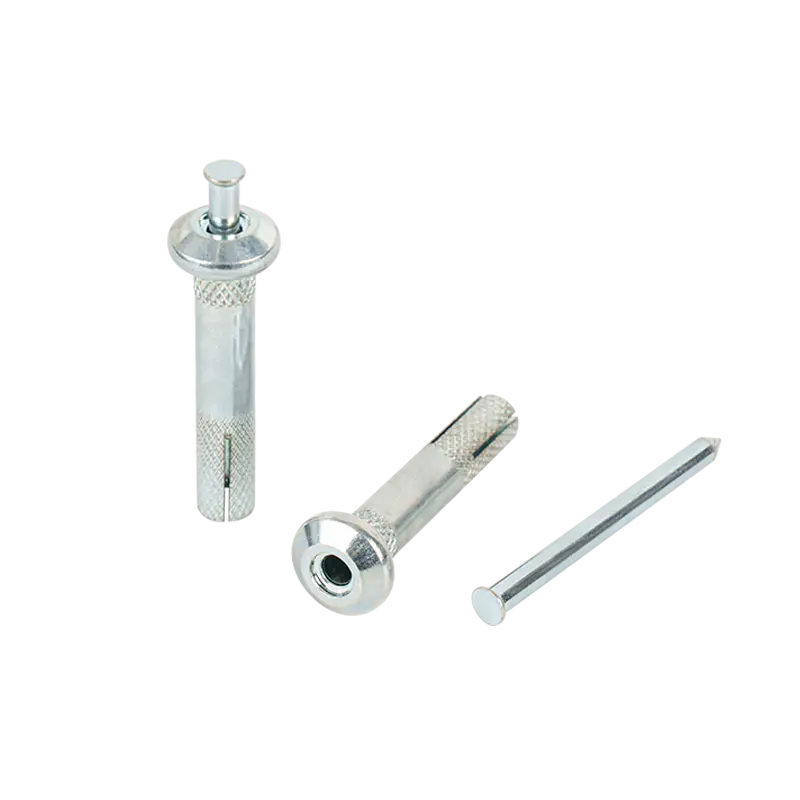
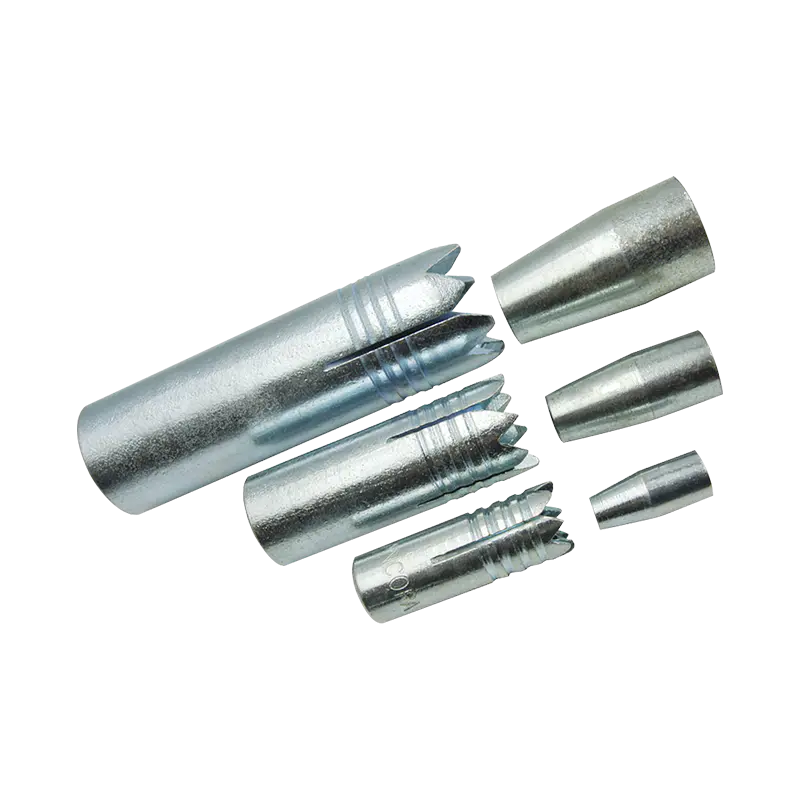
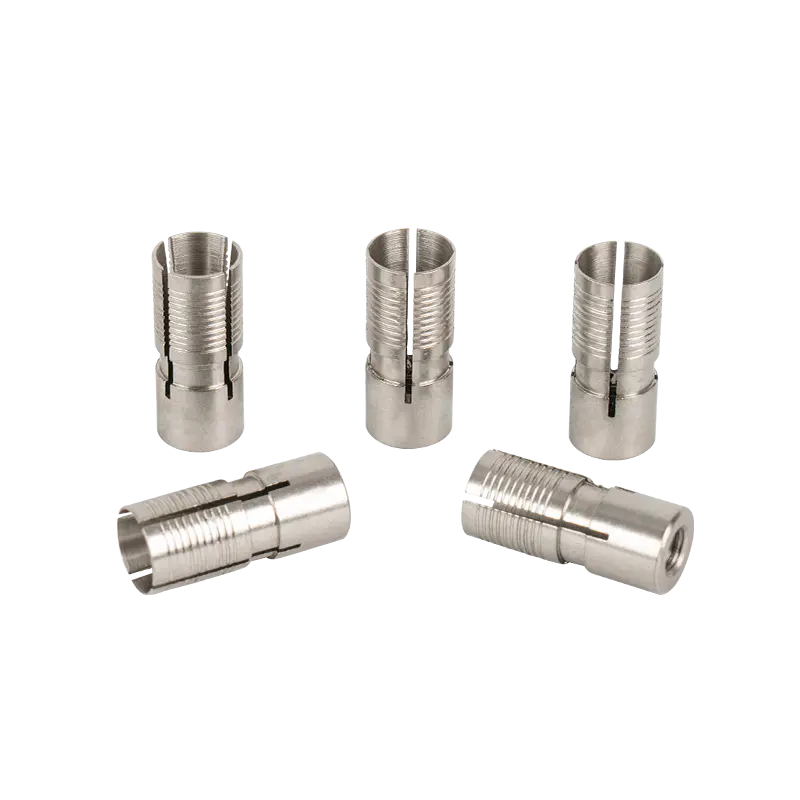
Strike Anchors are essential components in construction, manufacturing, and industrial maintenance projects. Known for their reliable load-bearing capacity and ease of installation, strike anchors provide secure fastening for various materials, including concrete, masonry, and steel. Understanding where strike anchors can be safely and effectively used is critical for both safety compliance and structural integrity.
Understanding Strike Anchors
Strike anchors are mechanical fasteners designed to be driven into a base material, creating a secure hold without the need for pre-drilling in some cases. They are commonly made from high-strength steel or stainless steel and are coated for corrosion resistance. Key characteristics include:
- High Load Capacity: Can support heavy machinery, equipment, and structural elements.
- Durability: Resistant to wear, vibration, and environmental factors.
- Quick Installation: Often installed using a hammer or pneumatic tool.
- Versatility: Suitable for concrete, brick, and stone applications.
Primary Applications of Strike Anchors
Strike anchors are widely used in both industrial and residential settings due to their simplicity and reliability. Typical applications include:
1. Construction and Structural Support
In construction, strike anchors are ideal for:
- Securing steel beams and columns.
- Installing heavy-duty doors or gates.
- Fixing staircases, balconies, and handrails.
- Attaching signage and safety barriers in industrial plants.
Compared to chemical anchors, strike anchors provide faster installation without curing time, making them suitable for projects requiring immediate load-bearing capacity.
2. Heavy Machinery and Equipment Installation
Factories and industrial plants often require secure attachment points for heavy machinery. Strike anchors can safely hold vibration-prone equipment such as motors, pumps, and compressors. Key advantages in this context include:
- High shear strength to resist lateral forces.
- Corrosion-resistant coatings suitable for industrial environments.
- Ease of removal or replacement if equipment layout changes.
3. Safety and Fall Protection Systems
Strike anchors are frequently used as anchoring points for safety harnesses, guardrails, and fall protection systems. Their ability to provide reliable load-bearing support is critical in preventing accidents in high-risk areas.
4. Outdoor and Marine Environments
When coated with corrosion-resistant finishes such as zinc or stainless steel, strike anchors can be safely used in outdoor or marine environments. Applications include:
- Dockside structures
- Outdoor signage
- Temporary construction sites
In comparison to expansion anchors, strike anchors in outdoor applications are less sensitive to moisture and temperature fluctuations, making them a practical choice for long-term exposure.
Safety Guidelines for Using Strike Anchors
Proper usage of strike anchors is essential to prevent structural failure and accidents. Key safety guidelines include:
- Correct Material Selection: Always ensure the base material is compatible with the anchor type.
- Installation Depth: Follow manufacturer specifications for embedment depth to achieve maximum strength.
- Load Ratings: Never exceed the recommended load limit for the anchor.
- Regular Inspection: Check anchors for corrosion, loosening, or deformation periodically.
- Use Protective Equipment: Wear gloves, goggles, and helmets during installation.
Common Mistakes to Avoid
- Using strike anchors in weak or hollow materials without reinforcement.
- Overloading anchors beyond their specified capacity.
- Improper installation angle leading to reduced holding power.
- Ignoring environmental conditions like moisture, corrosion, or vibration.
Frequently Asked Questions (FAQ)
Q1: Can strike anchors be reused?
A: Most strike anchors are designed for single-use applications. Removing them may compromise the integrity of the anchor and base material. If reuse is necessary, consult manufacturer guidelines.
Q2: Are strike anchors suitable for outdoor use?
A: Yes, but it is essential to choose corrosion-resistant materials such as stainless steel or zinc-coated anchors to withstand weather and environmental exposure.
Q3: How do strike anchors compare to bolts?
A: While bolts offer adjustable tension and can be reused, strike anchors provide faster installation and are ideal when immediate load-bearing is required without pre-drilled holes.
Q4: Can strike anchors be used in hollow bricks or blocks?
A: Standard strike anchors are not suitable for hollow bricks. Specialized hollow wall anchors or chemical anchors should be used to ensure safe load-bearing capacity.
Q5: What maintenance is required for installed strike anchors?
A: Regular inspection for corrosion, loosening, or deformation is recommended, especially in high-stress or outdoor environments. Tightening or replacing damaged anchors ensures continued safety and performance.
Conclusion
Strike anchors are versatile, strong, and easy-to-install fasteners that provide reliable anchoring for construction, industrial machinery, and safety systems. Safe and effective use depends on proper material selection, installation technique, and adherence to load specifications. By understanding their applications, limitations, and best practices, strike anchors can offer long-term structural support and safety across a wide range of environments.

 English
 日本語
日本語